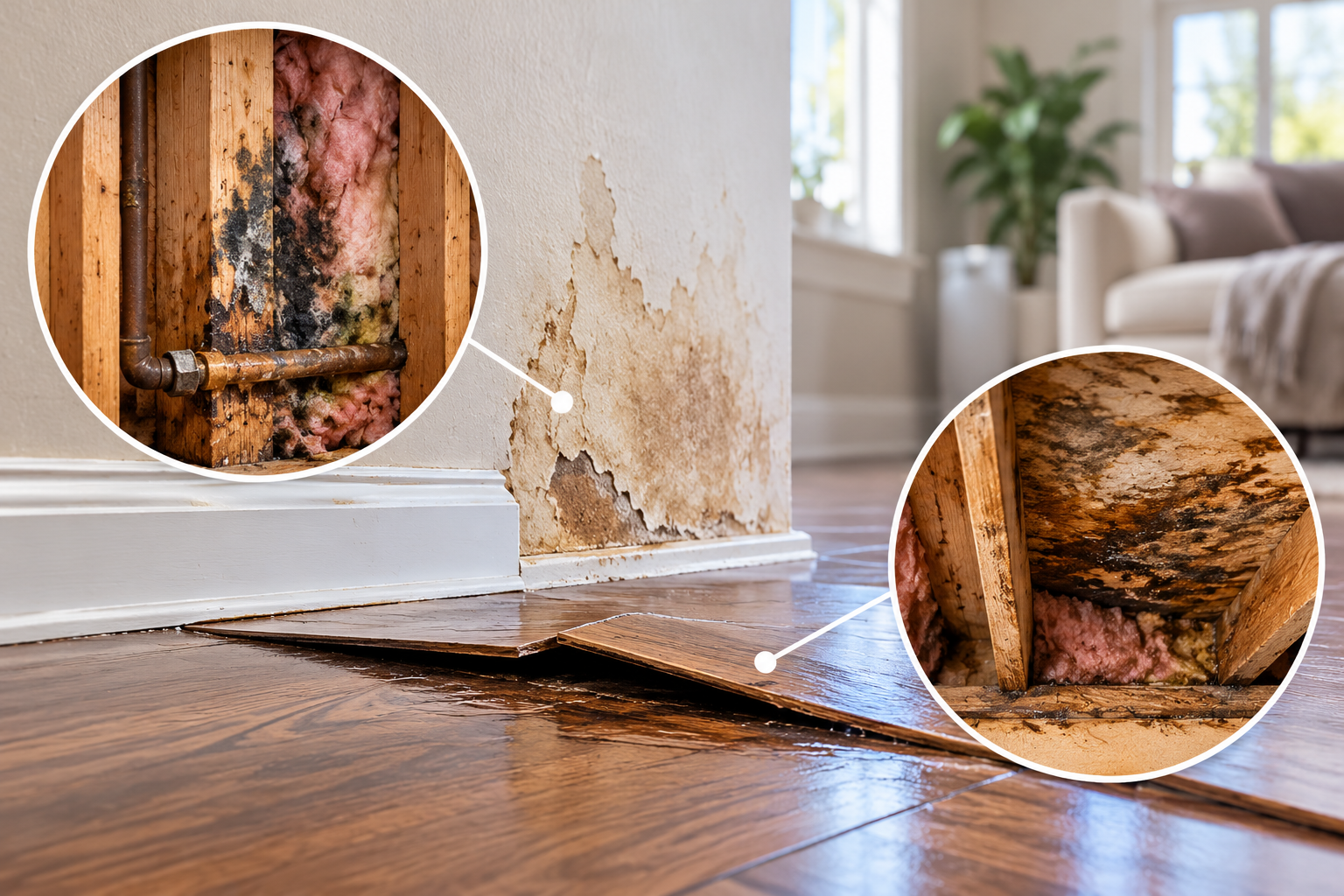
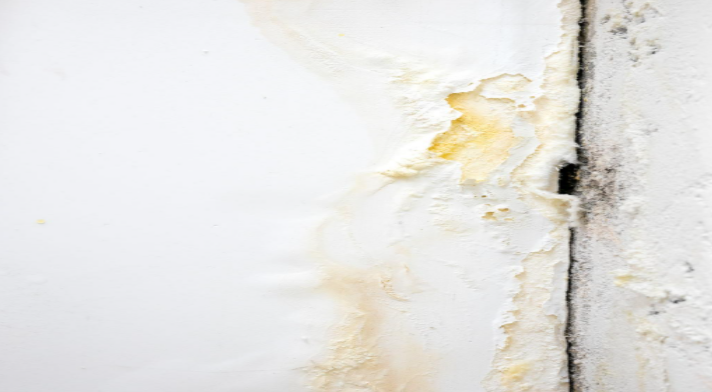
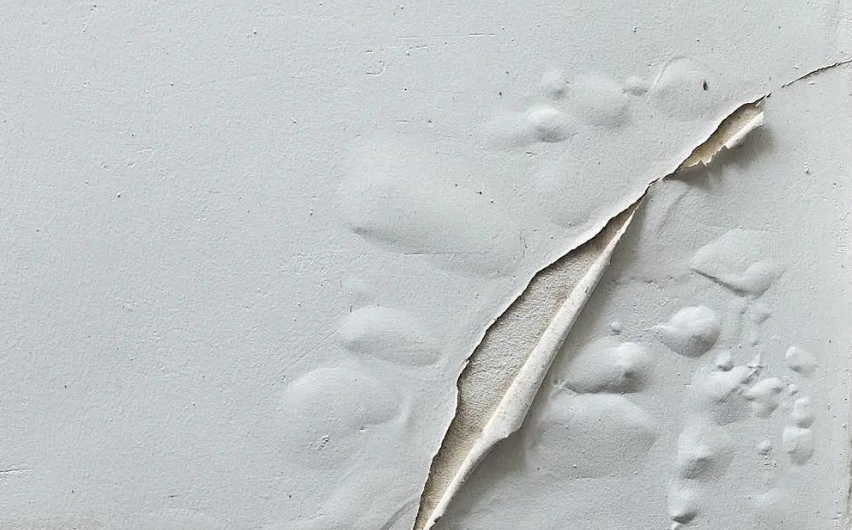
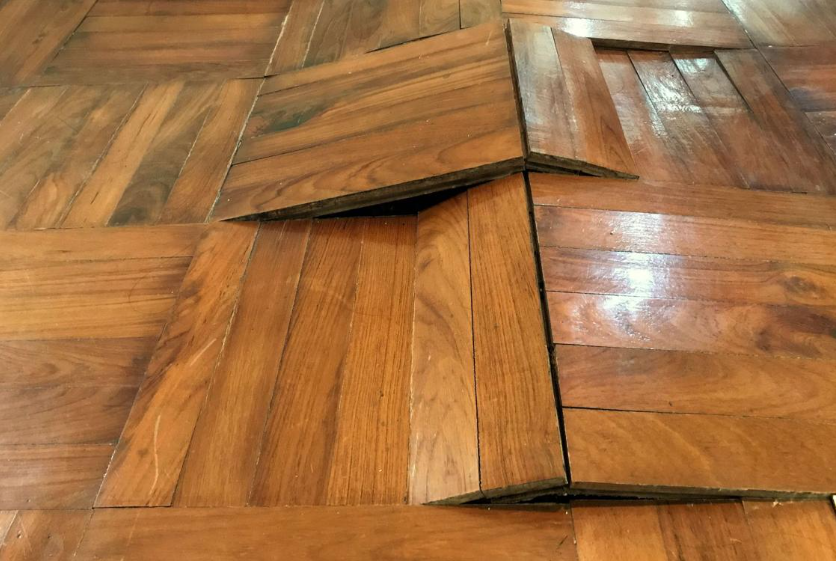
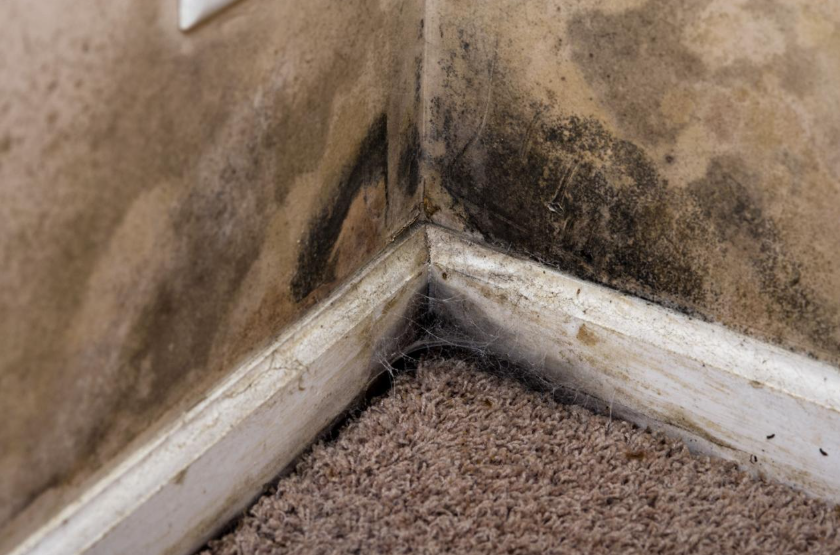
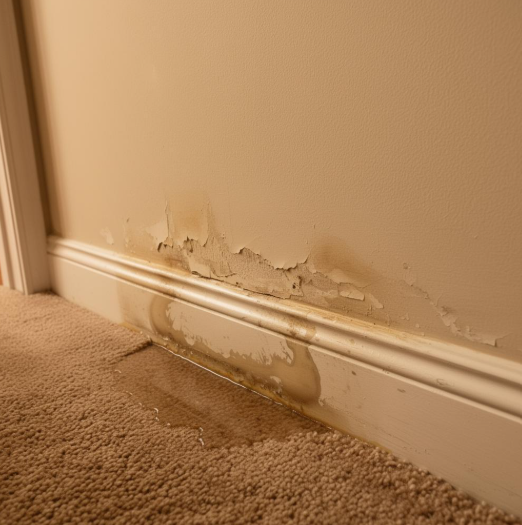
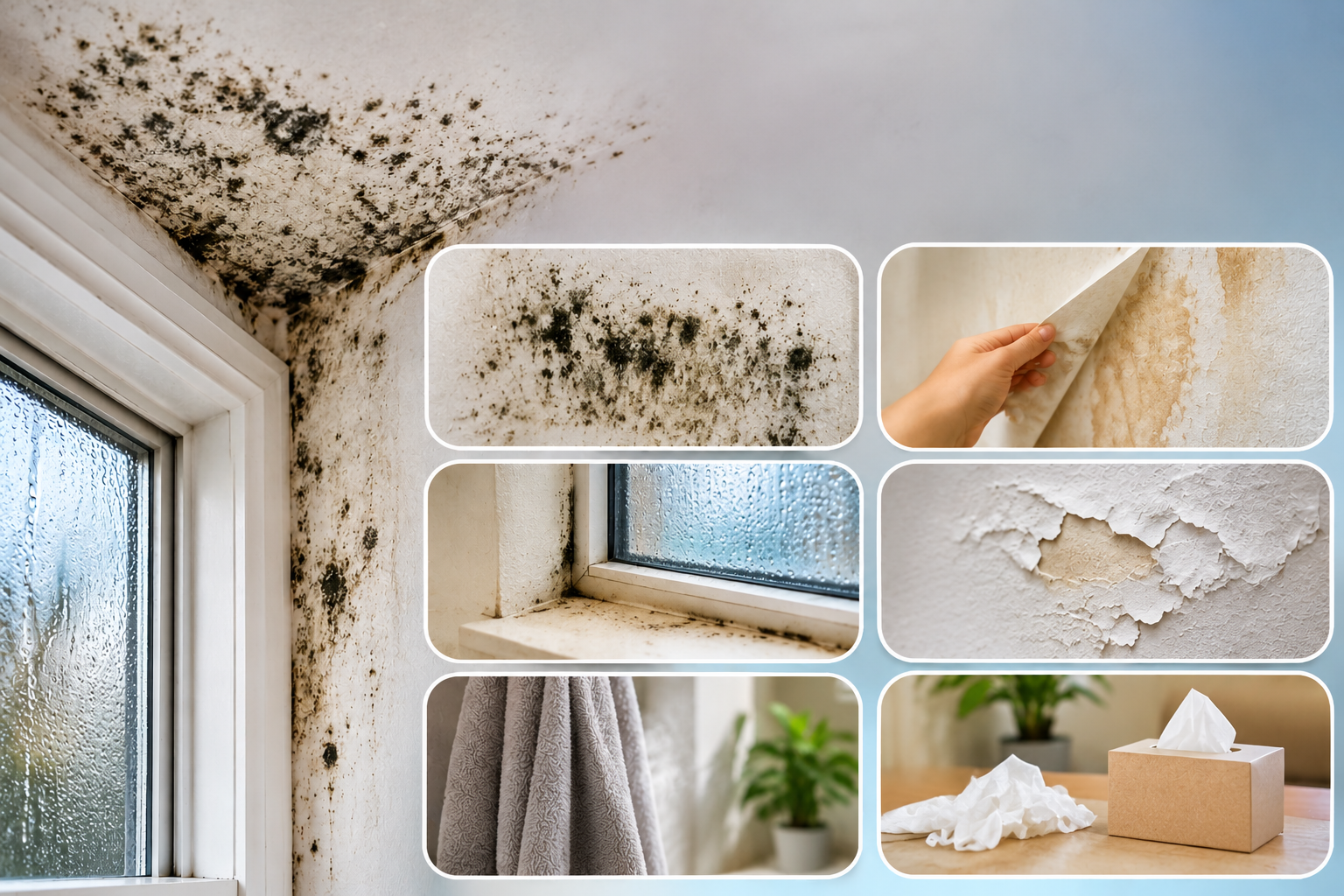
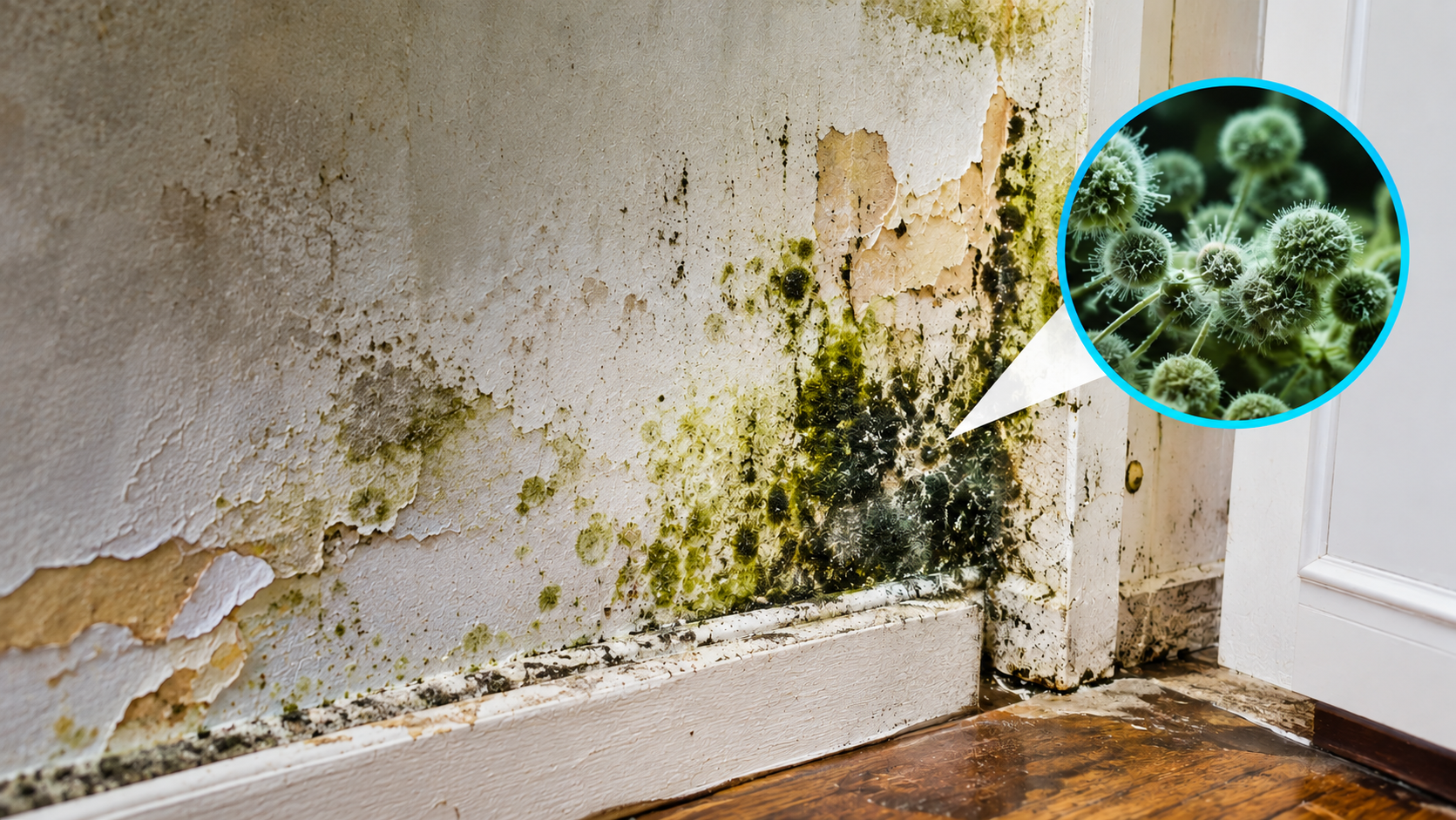
Baseboards and lower wall sections can absorb water from leaks or moisture that travels beneath flooring. Wood trim may swell, separate from the wall, or develop darkened edges.
In some cases, the damage occurs far from the original leak because water can travel along pipes, framing, or subfloor surfaces.
What to do: Look for changes in the shape of the trim, soft drywall, loose fasteners, or gaps that weren't there before. A moisture inspection can help determine if the problem extends behind the wall.
Why Is Hidden Water Damage a Concern for Denver Homeowners?
Denver homes are susceptible to several sources of hidden moisture. The most likely source depends on the home's age, construction type, plumbing configuration, drainage system, and exposure to weather.
Common sources include:
- Frozen or burst pipes: Cold winter temperatures can lead to plumbing failures that release water inside walls, ceilings, and floors.
- Roof and attic leaks: Damaged roofing or flashing can allow water into roof assemblies and ceiling cavities.
- Basement moisture intrusion: Foundation openings, drainage issues, and plumbing leaks can affect below-grade spaces.
- Bathroom and kitchen leaks: Supply lines, drain connections, showers, and appliances may leak into nearby walls or cabinets.
- Water heater and washing machine failures: Equipment or hose failures can release water into adjacent flooring and lower levels.
A visible stain does not always identify the original source of moisture. A plumber may be needed to find and fix a plumbing leak, while a restoration professional can evaluate moisture spread and determine what drying or removal is necessary.
How Can You Find Water Damage Behind Walls?
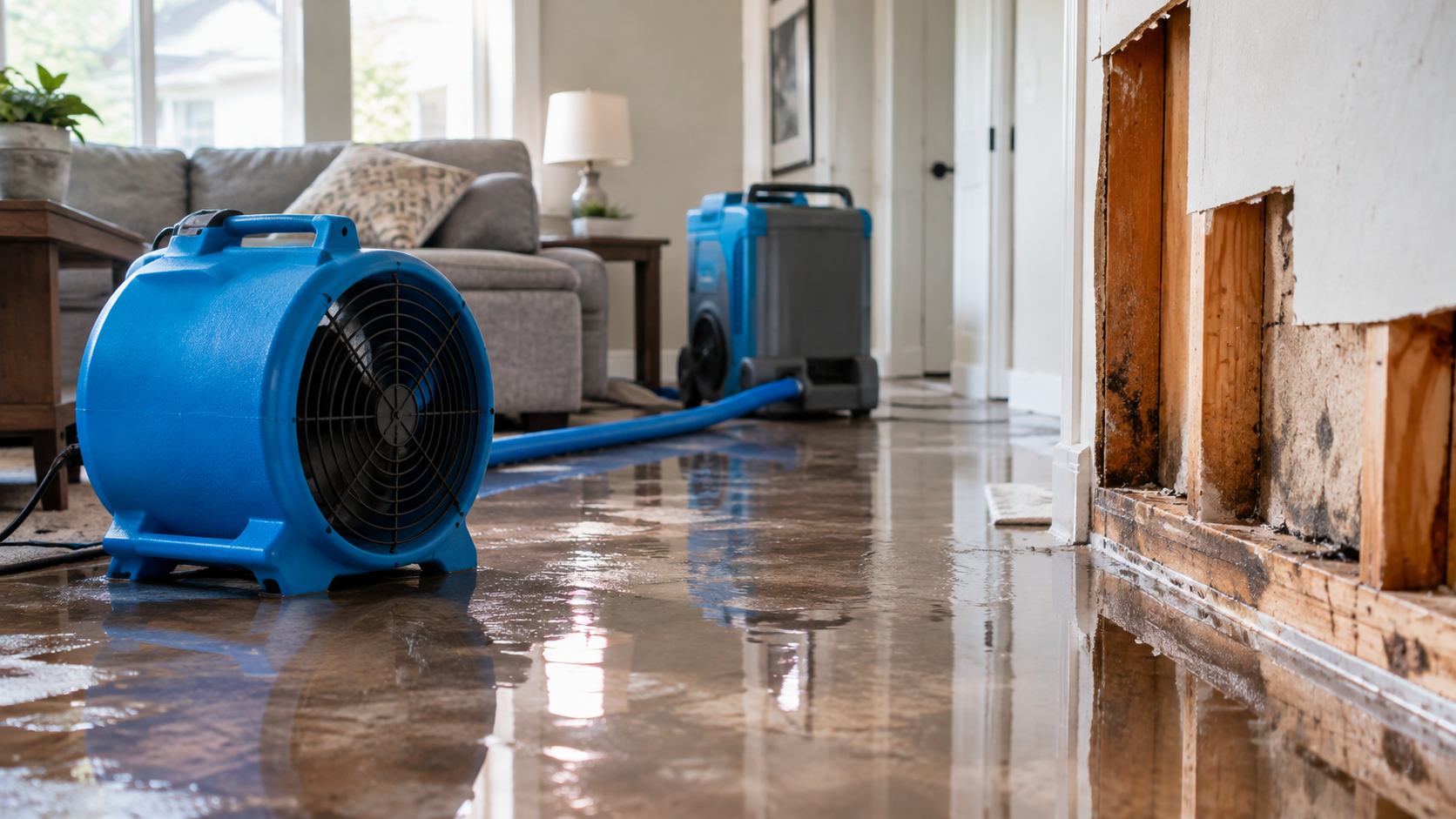
You don't always have to tear open a wall to find suspected moisture. Restoration professionals can start with a visual inspection and non-invasive moisture assessment.
Common assessment techniques include:
- Moisture meters: These devices measure moisture levels in various types of building materials. Readings must be interpreted based on the type of material and other variables.
- Thermal imaging: Infrared cameras detect temperature variations that may be consistent with moisture-related patterns. They do not directly measure moisture; therefore, findings should be verified using other methods.
- Visual inspection: Water stains, swollen trim, damaged flooring, deteriorated caulking, and plumbing conditions can help narrow down the source of moisture.
- Targeted inspection openings: If non-invasive methods cannot determine the extent of the damage, a professional may recommend carefully opening a small portion of drywall or flooring. Using a combination of these techniques can help determine whether the affected area requires localized repairs, structural drying, or more extensive restoration.
Can Hidden Water Damage Cause Mold?
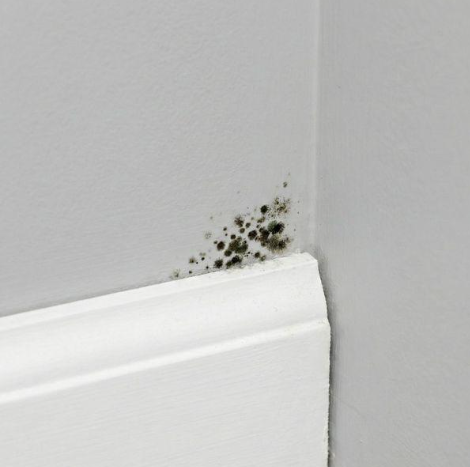
Yes. Hidden water damage can create conditions that allow mold to grow when materials remain damp.
The U.S. Environmental Protection Agency suggests drying wet or damp materials within 24-48 hours whenever possible to minimize the risk of mold growth. The actual risk depends on how long the materials were exposed to moisture, temperature, material type, and other factors. Mold can grow on or within materials such as drywall, wood, carpet, and insulation when moisture is available.
Simply drying the visible surface or painting over a stain will not resolve an ongoing leak or eliminate existing mold.
If you suspect mold behind a wall or beneath flooring, the proper course of action is to identify the moisture source and assess the affected materials.
Extensive growth, contaminated water, or damage involving vulnerable occupants may require qualified remediation.
What Should You Do If You Suspect Hidden Water Damage?
If you observe one or more of these warning signs, follow these steps.
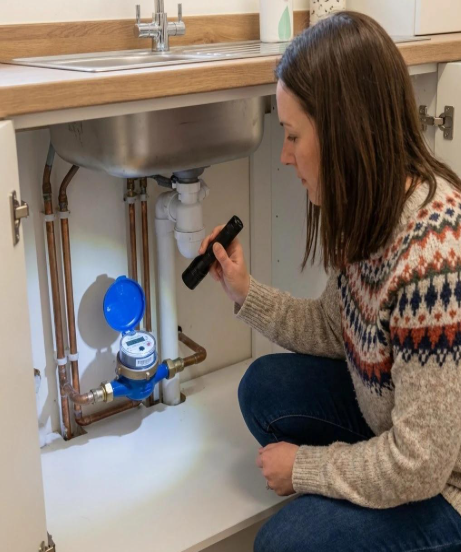
- Search for an obvious source. Check visible plumbing, appliance connections, windows, and areas beneath sinks without disturbing damaged materials.
- Document what you see. Take photos and record when the signs first appeared or whether they are worsening.
- Obtain a professional assessment. A plumber can check for suspected plumbing leaks, while a water damage restoration professional can evaluate the affected building materials.
- Resolve the source quickly. Stopping an active leak is crucial to preventing further damage.
- Do not cover up the symptoms. Do not paint over water stains, lay new flooring over damp materials, or seal a wall until you have confirmed that the moisture problem has been resolved.
If water is near electrical systems or the building exhibits signs of structural instability, stay away from the affected area and obtain qualified assistance.
Find Hidden Water Damage Before It Causes More Damage
Hidden water damage can do more than damage the surface of your walls or floors. Unresolved moisture can damage structural finishes, produce recurring mold problems, and increase the amount of restoration work needed.
If you notice unexplained water stains, warped flooring, recurring mold, or a persistent musty smell in your Denver home, consider having a professional inspection performed. Identifying the source of moisture early can help you understand the extent of the damage and determine the best method of repair.
Concerned about hidden water damage in your Denver home?
Contact our restoration team today to schedule an inspection and learn what steps may be necessary to protect your property.
Frequently Asked Questions