
8 Warning Signs of Mold Growth in Your Home
Learn How to Identify Hidden Mold, Recognize Moisture Problems, and Know When to Call a Professional Mold Remediation Specialist
Mold growth is a common concern for homeowners, particularly in properties that have experienced water damage, plumbing leaks, basement flooding, or excessive indoor humidity.
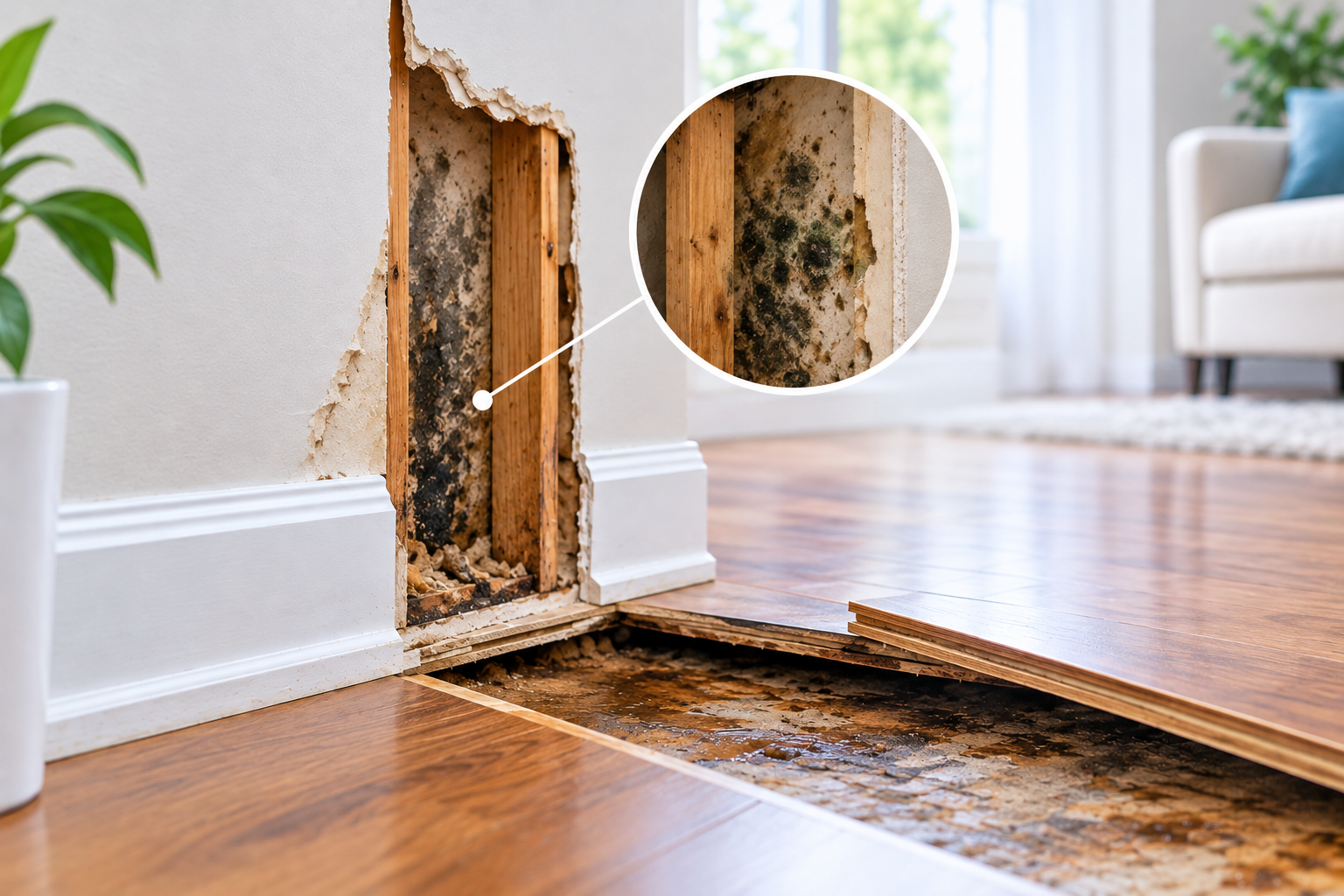
While some mold growth is easy to recognize, other infestations can develop unnoticed behind drywall, beneath flooring, inside insulation, and in other concealed areas.
For homeowners in Denver, Colorado, mold problems can occur following burst pipes, roof leaks, appliance failures, and moisture intrusion during seasonal weather changes.
Recognizing the early warning signs of mold growth can help prevent extensive property damage and reduce potential exposure to indoor contaminants.
The most common signs of mold growth include persistent musty odors, visible discoloration, recurring moisture, peeling paint, warped building materials, and mold returning after cleaning. Unexplained allergy-like symptoms may also warrant investigating the indoor environment, although symptoms alone cannot confirm mold.
Understanding these indicators can help you determine when professional mold inspection and remediation may be necessary.
1. Persistent Musty or Earthy Odors
One of the earliest warning signs of hidden mold is a persistent musty smell. Mold often produces microbial volatile organic compounds (mVOCs), which may contribute to earthy or unpleasant odors.
These smells may become more noticeable in enclosed or poorly ventilated areas, including basements, closets, bathrooms, and laundry rooms.
What should homeowners look for?
Pay attention to odors that:
- Remain even after regular cleaning
- Become stronger in damp or enclosed spaces
- Appear after flooding or plumbing leaks
- Seem to originate from walls, flooring, or ventilation areas
A musty odor does not automatically confirm mold, but it is a reason to investigate possible moisture problems.
Professional recommendation: If a persistent musty odor cannot be traced to an obvious source, consider arranging a moisture assessment and inspection.
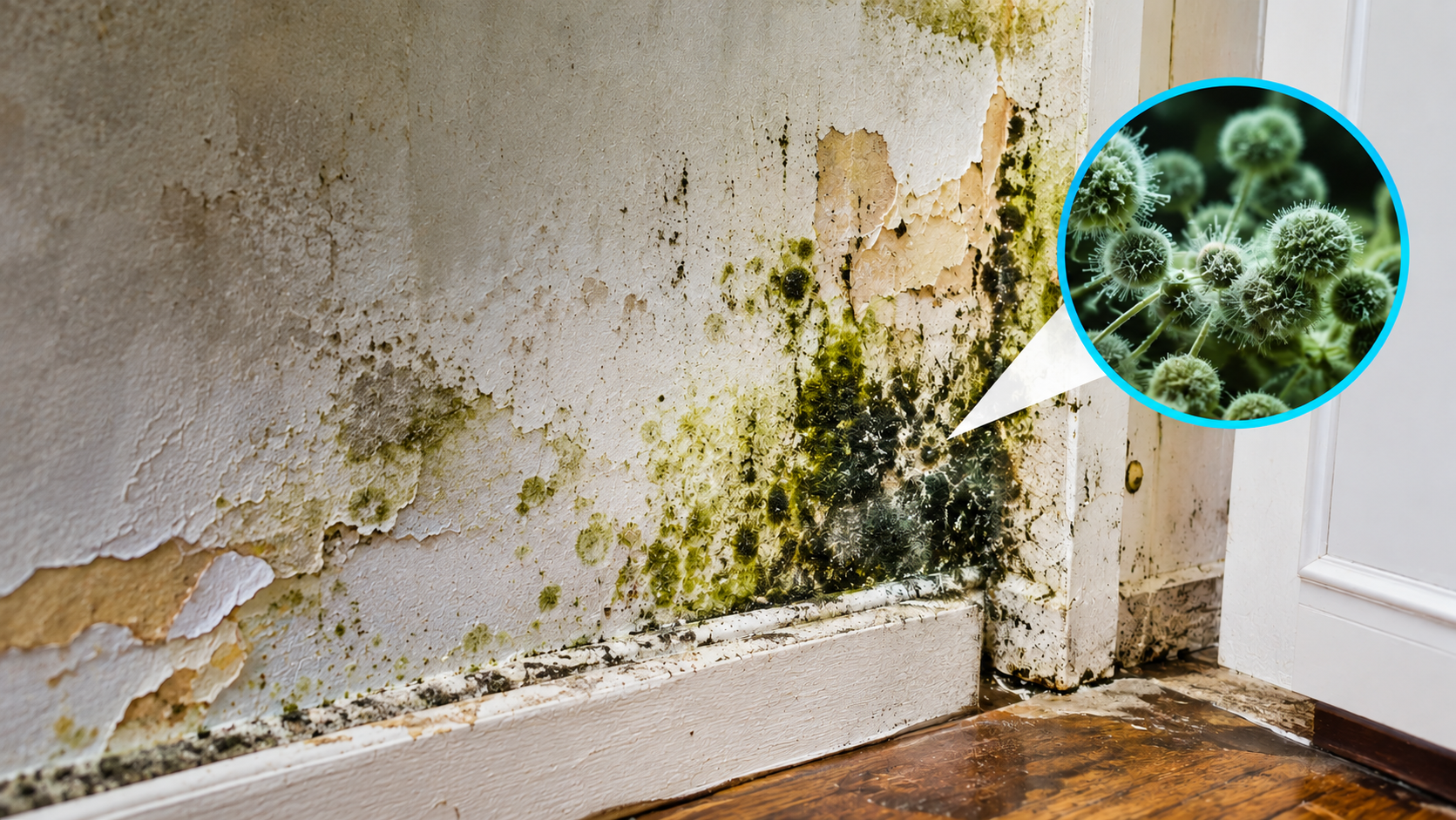
2. Visible Black, Green, White, or Brown Spots
Visible discoloration on walls, ceilings, floors, or furniture may indicate mold growth. Mold can appear in different colors and textures depending on the species, surface material, and environmental conditions. Common appearances include black or dark green patches, white fuzzy growth, brown spotting, and irregular clusters of discoloration.
Common areas where mold appears
- Bathroom ceilings and shower surrounds
- Basement walls and corners
- Areas surrounding leaking windows
- Drywall beneath plumbing fixtures
- Spaces behind furniture against damp walls
- Kitchen cabinets near sinks and appliances
Not every dark stain is mold, and color alone cannot determine whether a particular mold is toxic. However, visible growth should not be ignored, especially when accompanied by dampness or a recurring leak.
3. Unexplained Allergy-Like Symptoms
Indoor mold exposure may contribute to allergic reactions and respiratory irritation in some individuals. According to the Centers for Disease Control and Prevention (CDC), exposure to damp and moldy environments may cause symptoms such as a stuffy nose, sore throat, coughing, wheezing, burning eyes, or skin irritation. Some individuals with asthma or mold allergies may experience more pronounced reactions.
Symptoms that may warrant investigation
- Frequent sneezing or nasal congestion
- Itchy or watery eyes
- Coughing or throat irritation
- Wheezing or worsening asthma symptoms
- Skin irritation
These symptoms have many possible causes and cannot establish that mold is present.
If symptoms appear worse in a particular indoor environment, consider discussing them with a healthcare professional while investigating possible moisture or air-quality problems.
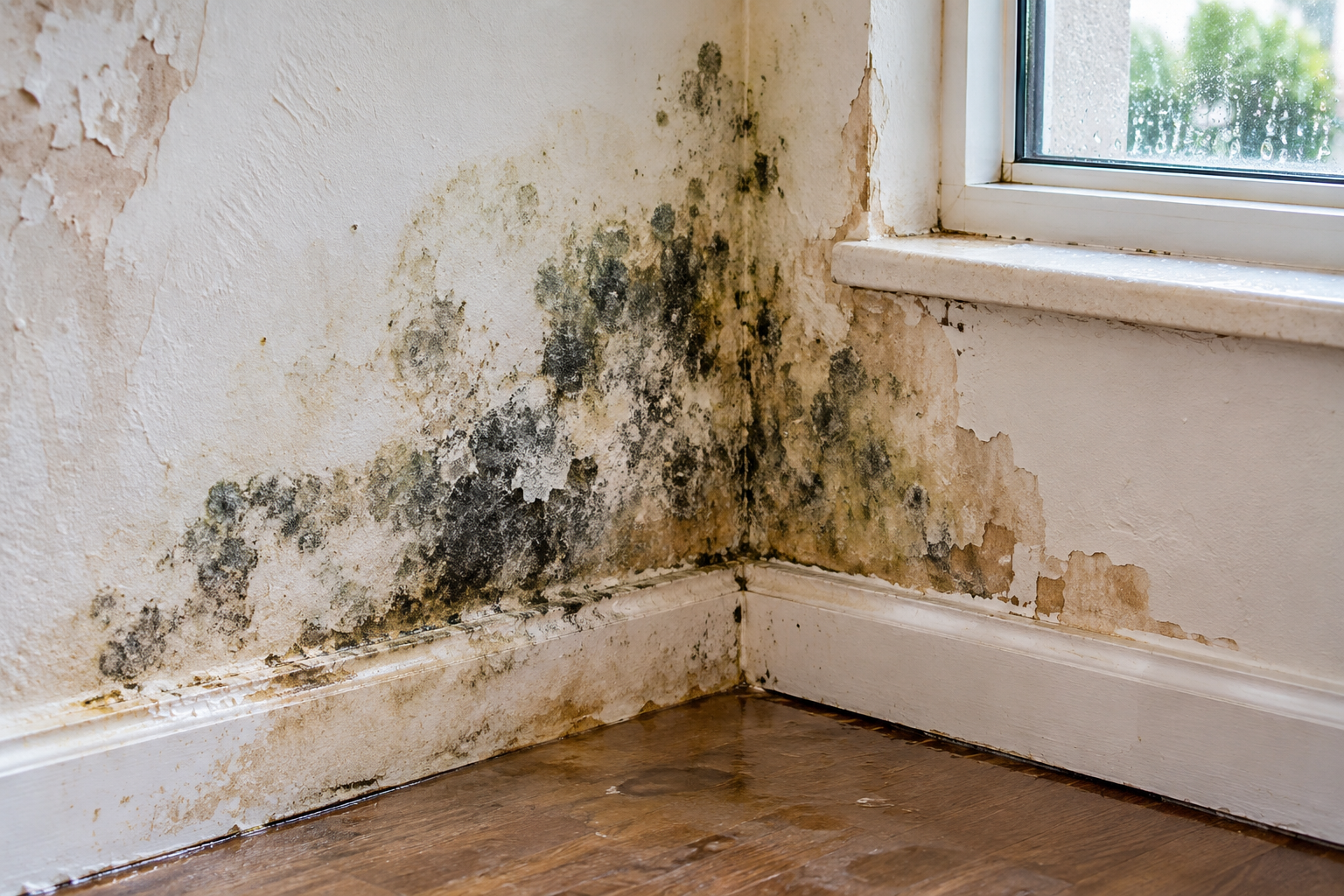
4. Peeling Paint, Bubbling Wallpaper, or Warped Drywall
Changes in the appearance of interior walls may indicate moisture accumulating beneath the surface. When water penetrates drywall or plaster, it can cause paint to bubble, wallpaper to peel, and building materials to swell or deteriorate. These conditions can also create an environment where mold may develop.
Warning signs of moisture-damaged walls
- Bubbling or blistering paint
- Peeling wallpaper
- Soft or crumbling drywall
- Warped baseboards
- Yellow or brown water stains
- Cracks or separation around damp surfaces
Although these symptoms do not always indicate mold, they suggest that the underlying moisture source needs attention. For Denver homeowners, frozen or burst pipes during colder months can cause hidden moisture damage inside walls. Professional moisture detection may help determine whether the affected materials require drying, removal, or further inspection.
5. Recurring Condensation and High Indoor Humidity
Mold requires moisture to grow. Persistent condensation and excessive indoor humidity can create favorable conditions for microbial growth. Bathrooms, kitchens, basements, and poorly ventilated rooms are particularly vulnerable. Condensation frequently forms when warm, moisture-laden air contacts cooler surfaces.
Signs of excessive indoor moisture
- Water droplets collecting on windows
- Dampness around window frames
- Condensation on pipes or exterior walls
- Repeated moisture accumulation in bathrooms
- High humidity readings indoors
The U.S. Environmental Protection Agency recommends keeping indoor relative humidity below 60%, ideally between 30% and 50%, to help control mold growth.
How to reduce indoor humidity
Improve ventilation, repair leaks, use exhaust fans when cooking or showering, and consider dehumidification when necessary.
For additional guidance, consult the EPA's Guide to Mold, Moisture and Your Home.
6. Recent Water Damage or Flooding
A history of water damage is one of the strongest reasons to investigate possible mold growth. Water intrusion can affect building materials long before visible mold appears. Common causes include burst pipes, leaking water heaters, overflowing sinks, damaged roofing, and basement flooding.
How quickly can mold grow after water damage?
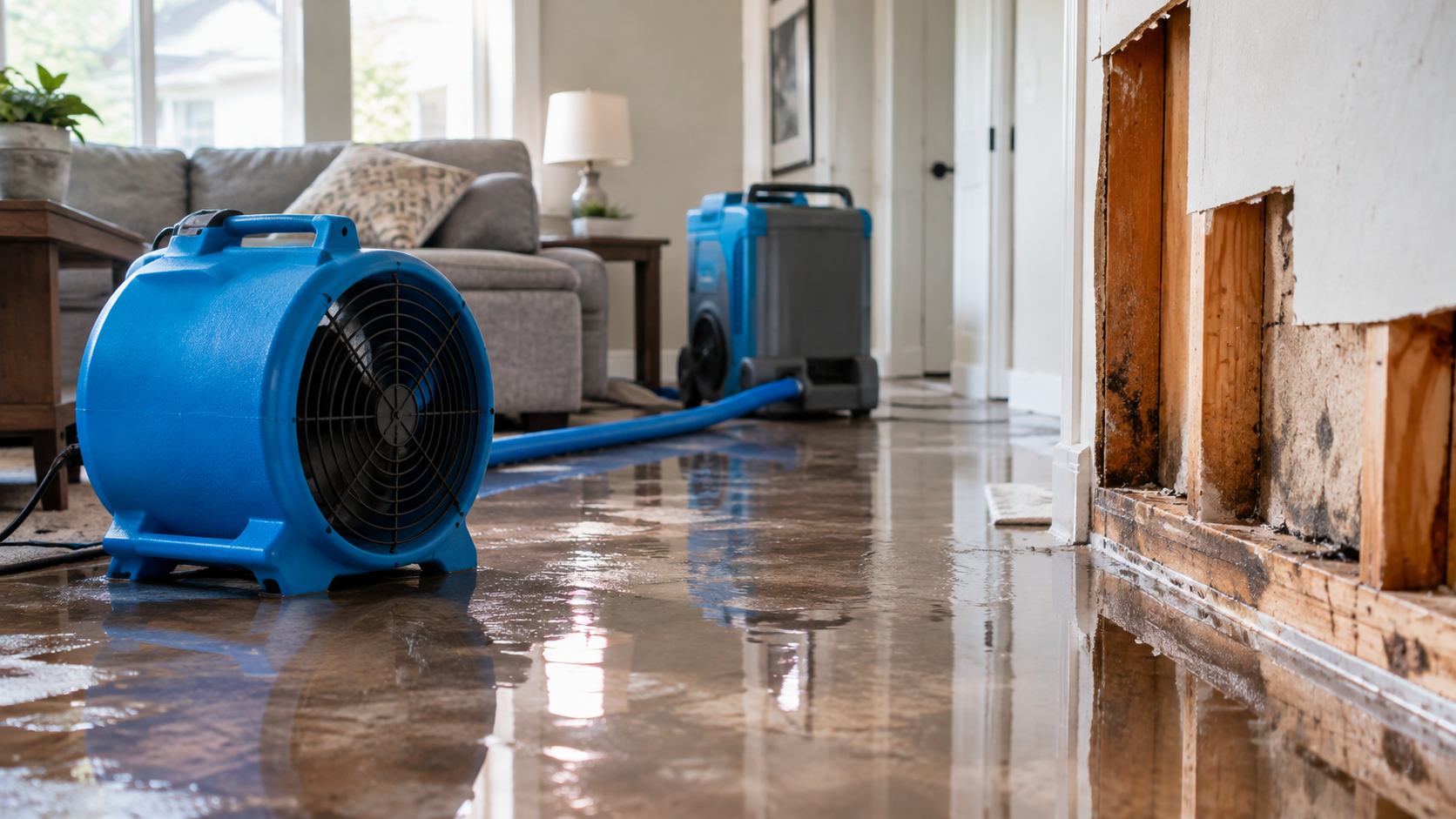
Under favorable conditions, mold can begin growing within 24–48 hours after materials become wet. The actual timeline depends on temperature, moisture levels, surface materials, and other environmental conditions. This is why prompt water extraction and structural drying are essential after flooding or plumbing failures. Professional mold remediation in Denver CO may be necessary if mold has developed following an unresolved moisture problem. Homeowners should also consider whether moisture remains trapped behind walls, under carpets, or beneath flooring.
7. Warped Flooring, Soft Spots, or Discolored Baseboards
Mold growth is not limited to walls and ceilings. Moisture can accumulate beneath hardwood, laminate, vinyl, and carpeted flooring, creating hidden conditions that support mold growth. In some cases, the first visible signs are changes in the flooring rather than mold itself.
Flooring-related warning signs
- Hardwood boards beginning to cup or buckle
- Soft or spongy areas beneath flooring
- Persistent dampness around baseboards
- Discoloration along floor edges
- Musty odors near carpets or subflooring
These signs may indicate a plumbing leak, foundation moisture intrusion, or previous water damage. A professional assessment can help identify the moisture source and determine whether concealed materials have been affected.
8. Mold That Keeps Returning After Cleaning
Recurring mold growth is a strong indication that the underlying moisture problem has not been adequately resolved. Cleaning visible mold without fixing the water source often provides only temporary results. For example, mold may repeatedly appear around bathroom ceilings if ventilation is insufficient, or along basement walls if moisture continues entering through the foundation.
Why does mold keep coming back?
Common contributing factors include:
- Unrepaired plumbing leaks
- Poor ventilation
- Excessive indoor humidity
- Incomplete drying after water damage
- Contaminated porous building materials
- Ongoing water intrusion
Professional mold remediation focuses on identifying and correcting moisture problems, safely removing contaminated materials when necessary, and helping prevent recurring growth.
What Should You Do If You Notice Signs of Mold?
If you suspect mold growth in your home, take practical steps to prevent further moisture damage and limit unnecessary exposure.
Recommended Mold Response Checklist
- Identify and stop the moisture source if safe
- Check nearby surfaces for visible water damage
- Avoid disturbing large areas of suspected mold
- Document affected areas with photographs
- Improve ventilation or humidity control where appropriate
- Contact a qualified professional for significant or recurring mold
Avoid painting over mold, using fans that spread contamination, or attempting to remove extensive mold growth without appropriate precautions.
Small areas of mold on suitable hard surfaces may sometimes be cleaned by homeowners following EPA guidance. Larger areas, contaminated HVAC systems, sewage-related damage, or recurring moisture problems may require specialized professional services.
When Should You Hire a Professional Mold Remediation Company?
Not every mold problem requires extensive professional remediation.
However, hiring an experienced mold remediation company is advisable when the contamination is widespread, the affected materials are difficult to access, or the moisture source remains unknown.
The EPA generally recommends considering professional assistance when mold contamination exceeds approximately 10 square feet.
What does professional mold remediation involve?
Depending on the property and the extent of contamination, the process may include:
- Inspecting the affected areas and identifying moisture sources
- Evaluating the extent of visible and suspected contamination
- Establishing appropriate containment
- Removing or cleaning mold-contaminated materials
- Using suitable filtration and cleaning methods
- Drying affected structural components
- Verifying that moisture problems have been addressed
For homeowners looking for a professional mold removal service in Denver, choosing a company experienced in moisture damage and remediation can help ensure that both visible contamination and underlying causes are addressed.
How Can Denver Homeowners Prevent Mold Growth?
Preventing mold begins with effective moisture management. Denver's relatively dry climate does not eliminate the possibility of indoor mold. Plumbing leaks, inadequate ventilation, roof damage, and water intrusion can still create favorable conditions for growth. Homeowners should inspect plumbing fixtures regularly, repair leaks promptly, maintain ventilation systems, and address water damage as soon as possible. Basements, bathrooms, laundry rooms, and areas surrounding windows deserve particular attention.
Maintaining indoor humidity within recommended ranges and ensuring that wet building materials are properly dried can significantly reduce the likelihood of mold growth.
Recognize Mold Problems Before They Become More Serious
Mold growth can begin in concealed areas and gradually affect walls, ceilings, flooring, and other building materials.
Recognizing warning signs such as musty odors, discoloration, recurring moisture, and warped surfaces can help homeowners address potential problems before they lead to more extensive damage.
The most effective approach involves identifying the source of moisture, correcting the underlying problem, and using appropriate cleanup or professional remediation methods.
Concerned About Mold Growth in Your Denver Property?
If you have noticed signs of mold or experienced recent water damage, contact 4PRO Restoration to discuss your property's condition and available restoration services.
Visit 4PRO Restoration to learn more about mold remediation and water damage restoration in Denver, Colorado.
Frequently Asked Questions About Mold Growth
What are the first signs of mold in a house?
Early signs may include persistent musty odors, visible spotting, damp surfaces, recurring condensation, and discoloration on walls or ceilings. Hidden mold may also develop in areas affected by unresolved water damage.
Can mold grow behind drywall without being visible?
Yes. Mold can grow behind drywall when moisture becomes trapped inside wall cavities. Leaking pipes, roof damage, and condensation can create suitable conditions for concealed growth.
How quickly does mold develop after water damage?
Mold can begin growing within 24–48 hours under favorable conditions. Prompt drying of affected materials is important for preventing or limiting microbial growth.
Is black mold always dangerous?
Mold color does not reliably indicate toxicity or health risk. Different types of mold can appear dark or black, and health effects vary based on exposure and individual sensitivity. All indoor mold growth should be addressed by controlling moisture and removing contamination appropriately.
Can mold disappear on its own?
Mold growth may stop expanding when moisture is removed, but existing contamination does not necessarily disappear. Dead mold can still trigger allergic reactions, so appropriate cleaning or removal may be required.
Does homeowner's insurance cover mold remediation?
Coverage varies depending on the insurance policy and the cause of the damage. Some policies may cover mold resulting from certain sudden and accidental water losses, while excluding gradual leaks, maintenance-related problems, or mold above specified limits.
When should I call a mold remediation specialist?
Consider professional assistance when mold covers a large area, returns after cleaning, affects porous building materials, or develops following significant flooding or contaminated water exposure.
Can mold grow in Denver's dry climate?
Yes. Even in relatively dry climates, mold can develop indoors when sufficient moisture is present. Plumbing failures, basement leaks, condensation, and water damage can create localized conditions that support growth.