
How Quickly Can Mold Develop After Water Damage?
Learn How Fast Mold Can Grow After Water Damage, Recognize Early Warning Signs, and Discover How Professional Mold Remediation in Denver, CO Can Protect Your Home.
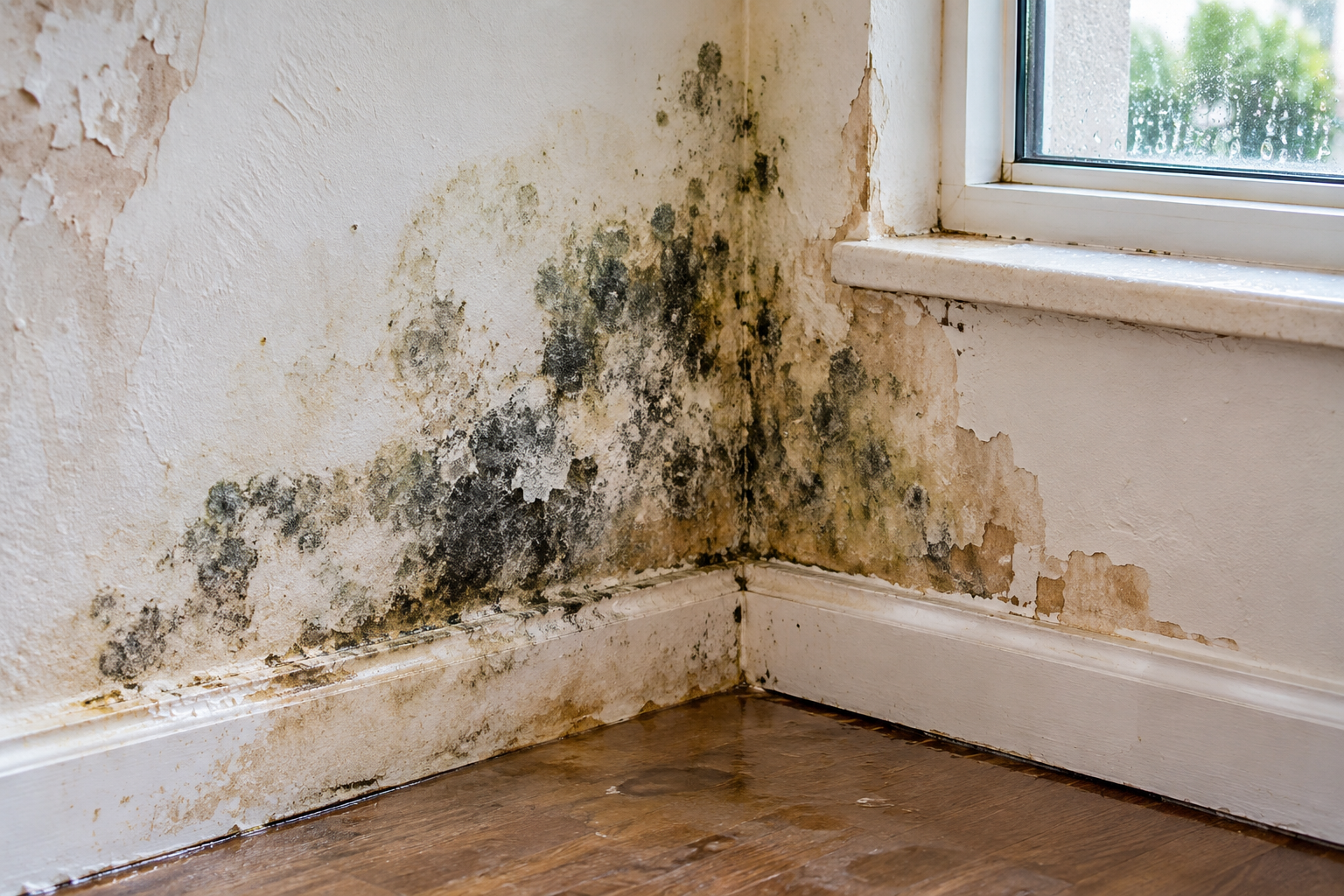
Water damage can do more than visible stains, warped flooring, or damaged drywall. If excess moisture is kept unattended, it can turn into mold growth. It only needs 24 to 48 hours after water damage for mold to develop.
If you are residing in Denver, Colorado, understanding how quickly mold can develop is important for indoor air quality protection, and costly property damage prevention. No matter if the water damage comes from a burst pipe, roof leak, broken appliance, or
flooding, acting quickly lowers the risk of mold.
Professional mold remediation in Denver, Co can find hidden moisture, remove mold safely, and return affected areas to a clean, dry state.
How Long Does It Take for Mold to Grow After Water Damage?
Mold spores are always around us, but they need moisture and the right conditions to grow. After water damage, mold can start growing in as little as 24 to 48 hours if things stay damp.
How fast mold grows depends on things like indoor humidity, temperature, ventilation, and what kind of material got wet.
Here’s a general idea of what can happen after water damage:
- Within the first 24 hours: Water begins soaking into porous materials such as drywall, carpets, insulation, and wood. Prompt water extraction and drying can help prevent further damage.
- Within 24 to 48 hours: Mold may start growing on damp surfaces if moisture is still there. You might notice musty smells or discoloration, but mold can also grow where you can’t see it.
- After 48 to 72 hours: Mold can become more settled, especially in places with little airflow and ongoing moisture.
- After several days or more: If moisture continues, mold can spread to more materials, which may mean more cleanup and repairs.
These time frames are just estimates. Mold could show up sooner or later depending on your home’s conditions. It’s safest to deal with water damage right away instead of waiting for mold to become visible.
What Factors Affect How Quickly Mold Develops?
A few things about your home and environment affect how fast mold can grow after water damage.
1. Moisture and Humidity Levels
Moisture is the main thing mold needs to grow. Leaky pipes, roof problems, plumbing issues, and flooding can leave water trapped in your home’s materials. High indoor humidity can slow down drying and make it easier for mold to grow. Even if
a surface looks dry, moisture might still be inside walls, floors, or insulation.
2. Type of Building Material
Some building materials soak up and hold onto water more than others. Carpets, drywall, ceiling tiles, wood, and insulation can stay wet for a long time. If these can’t be dried or cleaned well, they might need special equipment or even removal. Hard, nonporous surfaces are usually easier to clean and dry. Still, mold can grow on dust or organic material if there’s moisture.
3. Temperature and Air Circulation
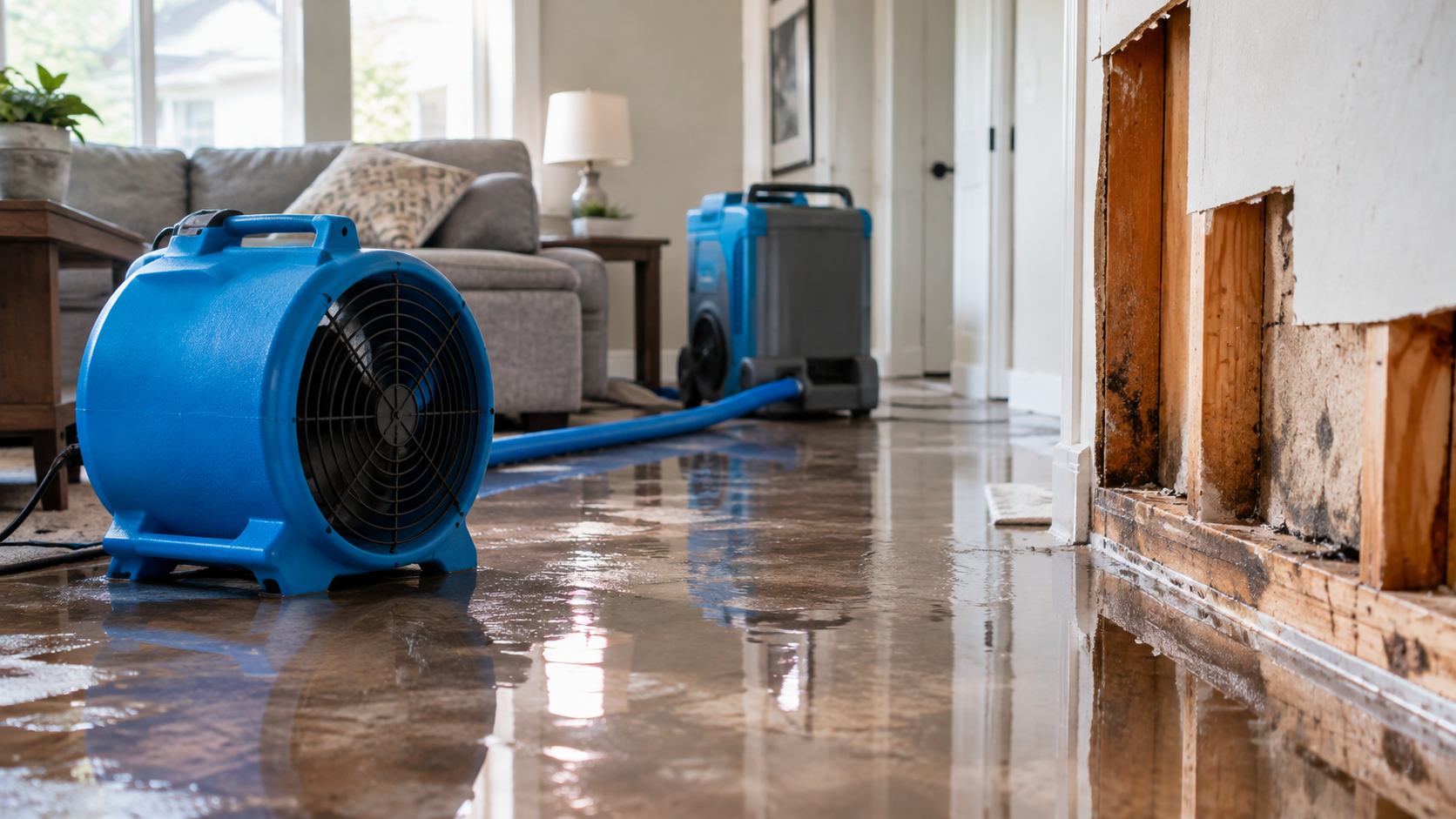
Most indoor molds grow well at normal room temperatures. Poor ventilation and little airflow make drying harder, especially in basements, closets, crawl spaces, and behind furniture. Using fans and dehumidifiers can help control moisture. But don’t use fans if mold is already there, since they can spread mold around.
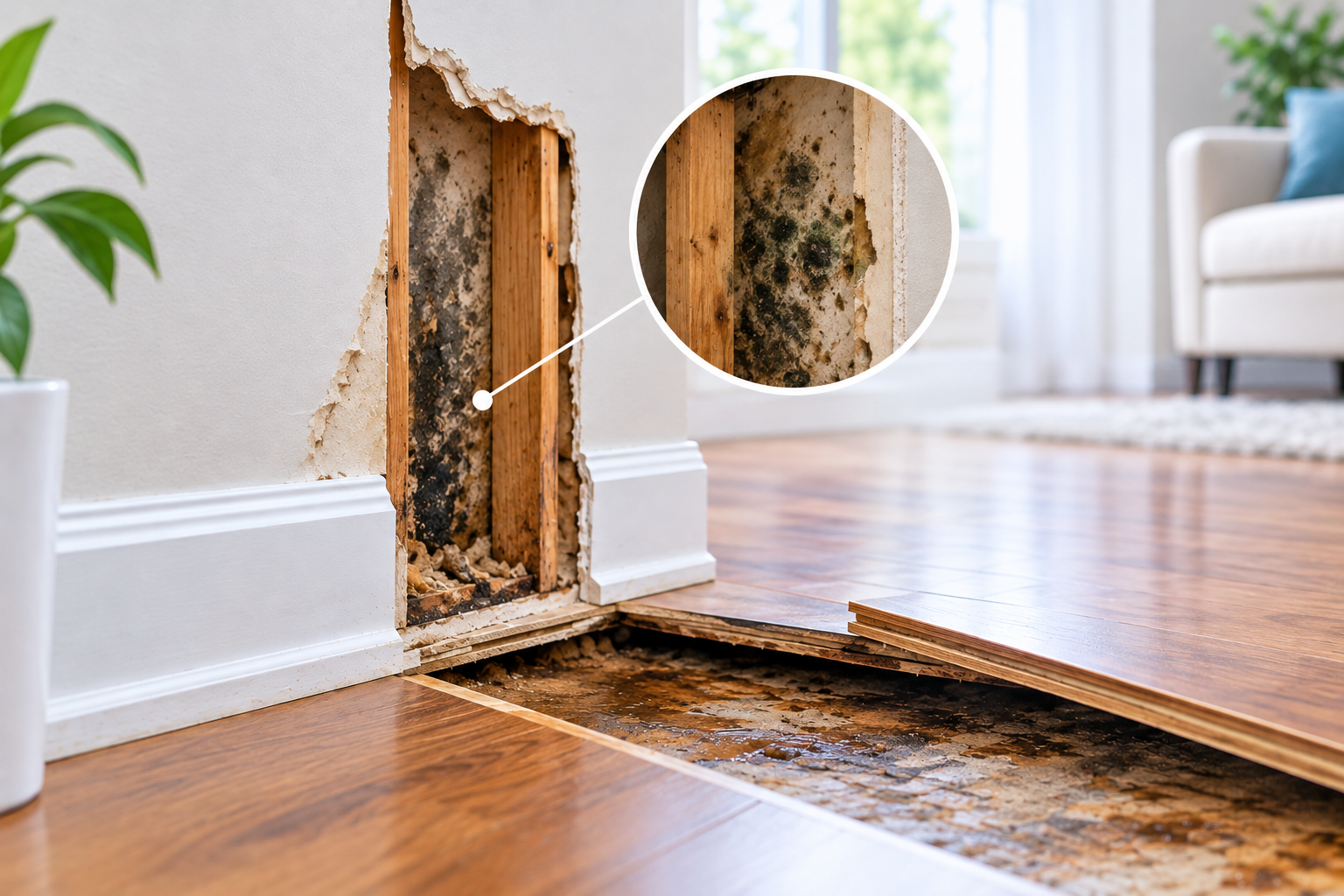
4. Hidden Water Damage
You can’t always see water damage right away. Water can move behind walls, under floors, into cabinets, and through ceilings. These hidden spots can stay damp even after visible surfaces look dry. Professionals use moisture meters, thermal imaging, and other tools to find these areas.
Warning Signs of Mold After Water Damage
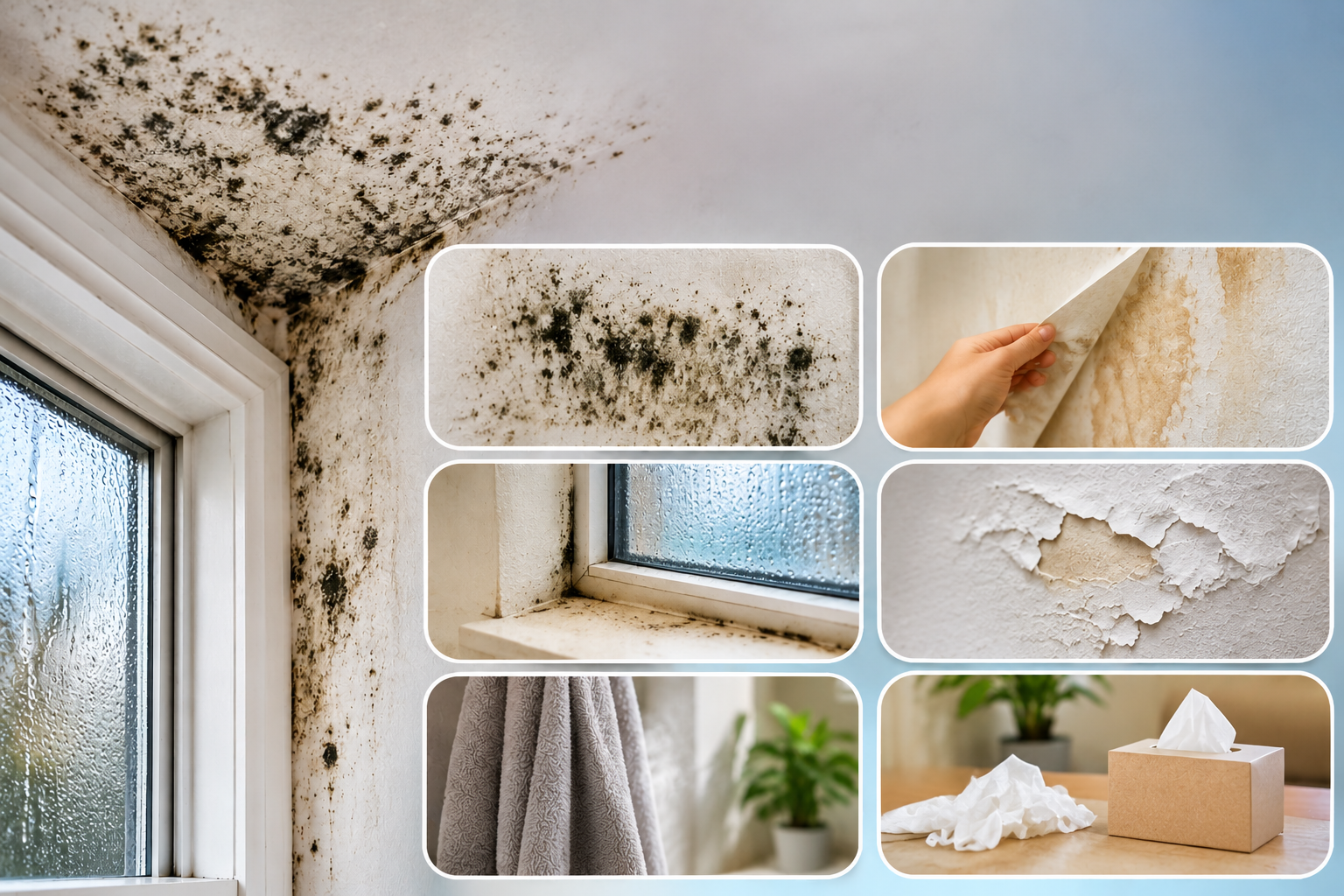
Mold isn’t always easy to spot as black or green patches. Knowing the early warning signs can help you decide if you need to look closer.
Common signs include:
- Musty odors: A persistent earthy or damp smell may indicate hidden moisture or mold growth.
- Visible discoloration: Dark spots or patches may develop on walls, ceilings, baseboards, or other surfaces.
- Peeling paint or wallpaper: Trapped moisture can cause finishes to bubble, peel, or separate.
- Warped flooring: Buckling, swelling, or soft spots may indicate water trapped beneath the surface.
- Recurring dampness: Areas that remain wet or repeatedly develop condensation may have an unresolved moisture problem.
- Water stains: Discoloration on ceilings and walls can indicate an ongoing leak or previous water intrusion.
If you notice these signs after a leak or flood, check where the moisture is coming from. Don’t disturb any suspected mold, since this can release spores into the air.
What Should You Do Immediately After Water Damage?
Acting quickly can lower the risk of mold and help protect your property from more damage.
Step 1: Stop the Water Source
If it’s safe, turn off the water supply or fix the leak. For roof leaks, plumbing problems, or broken appliances, get repairs done to stop more water from coming in.
Step 2: Prioritize Safety
Keep away from standing water near outlets, appliances, wiring, or electrical panels. Don’t go into floodwater or areas with damage. Call professionals if there are electrical or structural risks.
Step 3: Document the Damage
If it’s safe, take photos and videos of the damage before you start cleaning. Make a list of damaged items and contact your insurance company if you plan to file a claim.
Step 4: Remove Water and Dry Affected Areas
Removing water, using dehumidifiers, and drying things properly can help stop moisture from staying in your home’s materials.
You might need professional equipment if water has gotten into walls, floors, insulation, or other hidden areas.
Step 5: Arrange an Inspection if Needed
If the water damage is bad, things have stayed wet for more than 24 to 48 hours, or you see mold or smell musty odors, think about getting a professional to check it out.
A qualified water restoration company can check moisture levels, see what can be saved, and suggest the best ways to clean up and dry your home.
When Should You Hire a Professional Mold Remediation Company?
You don’t always need special mold removal for every water-damaged spot. Homeowners can sometimes handle small, cleanable areas. But if there’s a lot of mold, hidden mold, dirty water, or moisture inside materials, it’s best to call a professional.
Consider professional mold remediation when:
- Mold covers a large area or keeps returning after cleaning.
- You suspect mold behind drywall, under flooring, or inside ceiling cavities.
- Water damage has affected multiple rooms or significant portions of the property.
- The water came from sewage, floodwater, or another potentially contaminated source.
- The affected area involves HVAC systems or other difficult-to-clean components.
- Occupants have health concerns that make exposure particularly risky.
The U.S. Environmental Protection Agency generally recommends professional assistance for mold problems covering more than about 10 square feet, but some situations warrant professional help regardless of size.
Hiring a professional mold removal company helps make sure materials are handled right, contamination is contained, and the moisture problem is fixed.
How Professional Mold Remediation and Restoration Works
Professional mold remediation is more than just removing what you can see. It’s about controlling moisture, stopping contamination, and making sure the problem doesn’t come back.
A typical mold remediation and restoration process includes the following steps:
1. Inspection and Moisture Assessment
Technicians check the damaged areas, look for where moisture is coming from, and assess both visible and hidden damage. They use moisture meters to see if materials need more drying or should be removed.
2. Containment and Safety Measures
When needed, professionals set up barriers to keep mold-contaminated dust and particles from spreading. They use protective gear and safe work practices to lower exposure during cleanup.
3. Mold Removal and Cleaning
Depending on the material and how much mold there is, technicians might clean surfaces, remove materials that can’t be saved, or use other methods to fix the problem.
Just painting over mold or using a surface treatment won’t fix the real problem if you don’t deal with the moisture.
4. Drying and Moisture Control
Technicians use drying and dehumidifying equipment to get materials to the right moisture level. They also fix the original source of the water problem.
5. Restoration and Follow-Up
After cleanup and drying, damaged materials might need repair or replacement. Follow-up checks help make sure moisture problems are gone and your home is ready for restoration.
The exact process depends on where the water came from, what materials are affected, and how bad the damage is.
Why Homeowners Need Mold Remediation in Denver, CO
Homeowners in Denver can face water damage any time of year. Frozen or burst pipes in winter, roof leaks, plumbing problems, appliance leaks, and heavy rain can all bring moisture into your home.
Cold weather outside doesn’t mean you’re safe from indoor mold. Heated homes, damp basements, poor ventilation, and trapped moisture inside walls can still let mold grow.
Looking for mold remediation in Denver helps you find local pros who know how important it is to remove water quickly, check for moisture, and restore your property.
When selecting a provider, look for a company that offers:
- Thorough water damage and moisture inspections.
- Appropriate mold containment and removal procedures.
- Professional drying and dehumidification.
- Identification and correction of moisture sources.
- Clear documentation of the remediation process.
- Coordination of water damage restoration and repairs when needed.
A good provider will explain what they plan to do, find the source of the moisture, and tell you how they’ll help prevent mold from coming back.
Professional Mold Removal vs. DIY Mold Cleanup
You might be able to clean small spots of mold on hard surfaces if you’ve fixed the moisture problem. But bigger or hidden mold issues need a more careful approach.
DIY cleanup might not work if mold has gotten into porous materials or hard-to-reach places. Scrubbing without the right precautions can also spread mold.
Professional mold removal is especially helpful if you’re not sure how much mold there is, the water damage is bad, or materials can’t be cleaned and dried well.
Don’t mix cleaning products, especially bleach and ammonia. Never use chemicals instead of actually removing mold and fixing the moisture problem.
The goal of professional mold remediation is to fix both the mold problem and what’s causing it, not just make things look clean.
How Can You Prevent Mold After Water Damage?
Preventing mold starts with controlling moisture before it has a chance to grow. Follow these practical steps:
- Act quickly: Address leaks and standing water as soon as it is safe.
- Dry wet materials thoroughly: Use appropriate extraction, drying, and dehumidification methods.
- Watch your indoor humidity. Try to keep it below 60%, and ideally between 30% and 50% if you can.
- Improve ventilation by using bathroom and kitchen exhaust fans where needed, and fix areas that keep getting condensation.
- Check places that are likely to get damp, like basements, under sinks, around appliances, and near plumbing for leaks or moisture.
- Fix the source of the problem, like leaking pipes, damaged roofs, broken appliances, or drainage issues.
- Get professional help if needed. Have any big or hidden water damage checked before it turns into a bigger issue.
Keep in mind that drying what you can see isn’t enough if moisture is still inside walls, floors, or insulation. Make sure everything is really dry to help stop mold from coming back.
Frequently Asked Questions About Mold After Water Damage
How quickly can mold develop after a water leak?
Mold can start growing in as little as 24 to 48 hours if there’s enough moisture and the right conditions. The exact timing depends on temperature, humidity, and what materials got wet.
Can mold grow overnight after water damage?
Mold can start growing fast if conditions are right, but you usually won’t see a lot of visible mold overnight. Since mold can grow where you can’t see it, dry everything quickly instead of just looking for mold.
Can a house develop mold even after the water has been removed?
Yes. Getting rid of standing water doesn’t mean walls, floors, insulation, or other materials are dry. Leftover moisture can still let mold grow after the water is gone.
Is professional mold remediation necessary after every water leak?
No. If you fix small leaks quickly and there’s no big contamination, you might not need professional mold remediation. But if there’s a lot of water damage, ongoing dampness, visible mold, sewage, or hidden mold, it’s best to call a pro.
How much does mold remediation cost in Denver, CO?
The cost depends on how big the area is, what materials are involved, how much mold there is, how easy it is to reach, and if repairs are needed. An inspection and written estimate will help you know what to expect.
What is the difference between mold removal and mold remediation?
Mold removal usually means getting rid of visible mold or contaminated materials. Mold remediation is a bigger process that also controls contamination, fixes moisture problems, cleans or removes affected materials, and helps prevent mold from coming back.