
Mold Remediation vs. Mold Removal: What's the Difference?
Understand the key differences between mold removal and professional mold remediation in Denver, CO, and learn which solution best protects your property.
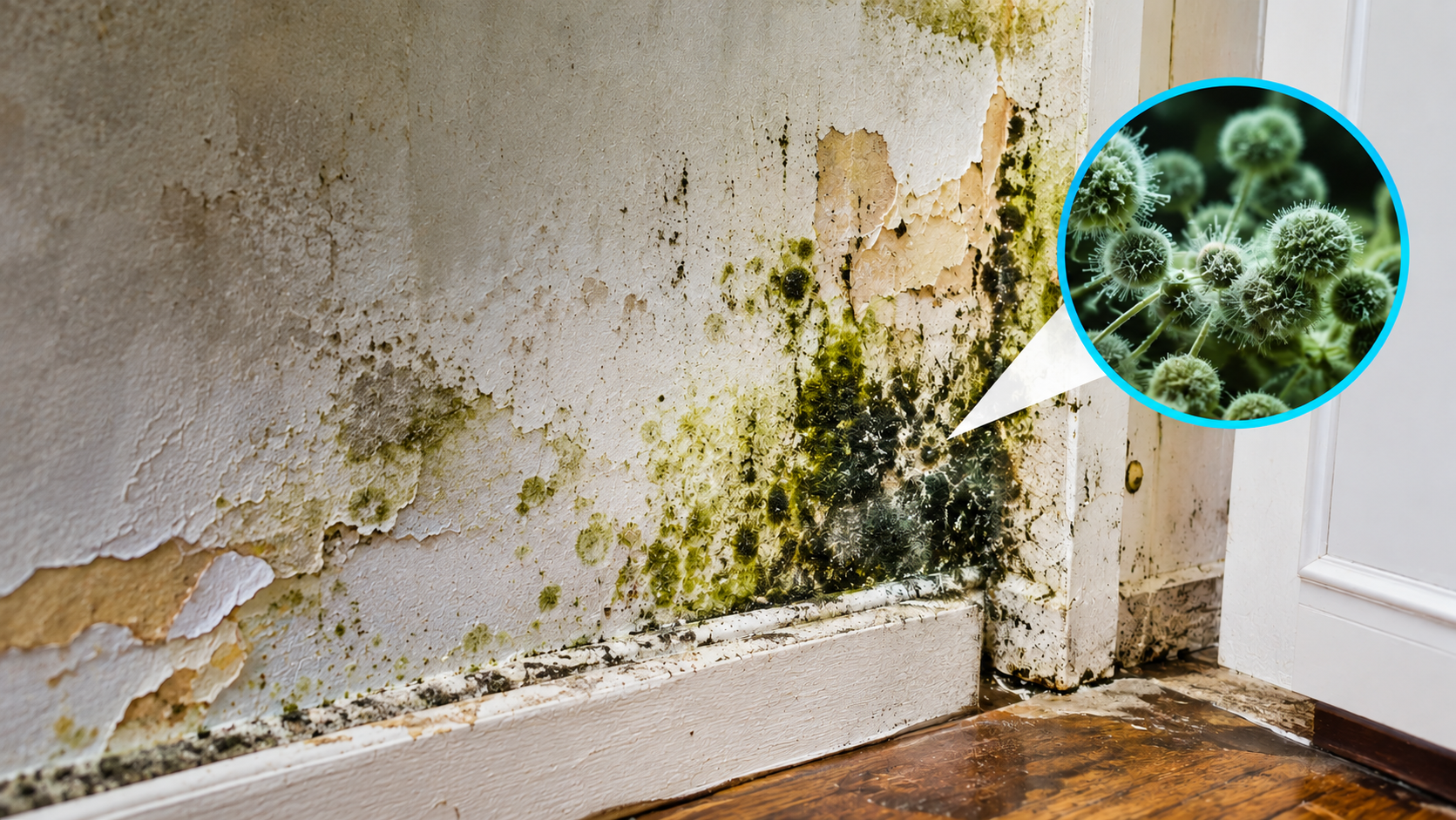
Understanding the difference between mold removal and professional mold remediation can help Denver homeowners protect their properties, improve indoor air quality, and prevent recurring mold problems.
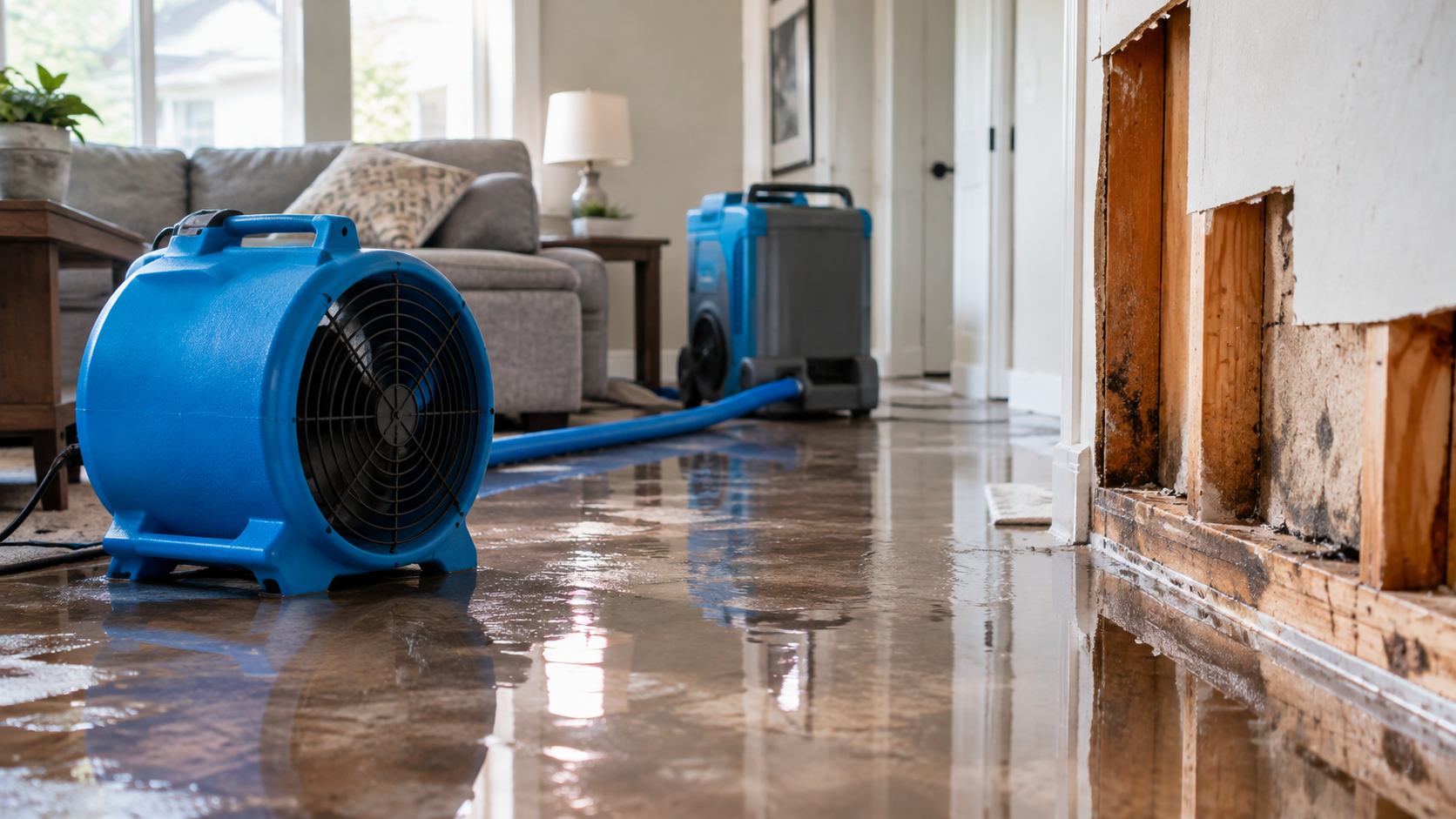
Mold growth is a common concern for homeowners and commercial property owners, particularly after water damage, plumbing leaks, basement flooding, or prolonged moisture exposure. In Denver, Colorado, seasonal temperature changes, snowmelt, frozen pipes, and unexpected water intrusion can create conditions that allow mold to develop inside homes and buildings.
When mold appears on walls, ceilings, floors, or other surfaces, property owners often search for a mold removal service. However, mold removal and mold remediation are not necessarily the same thing.
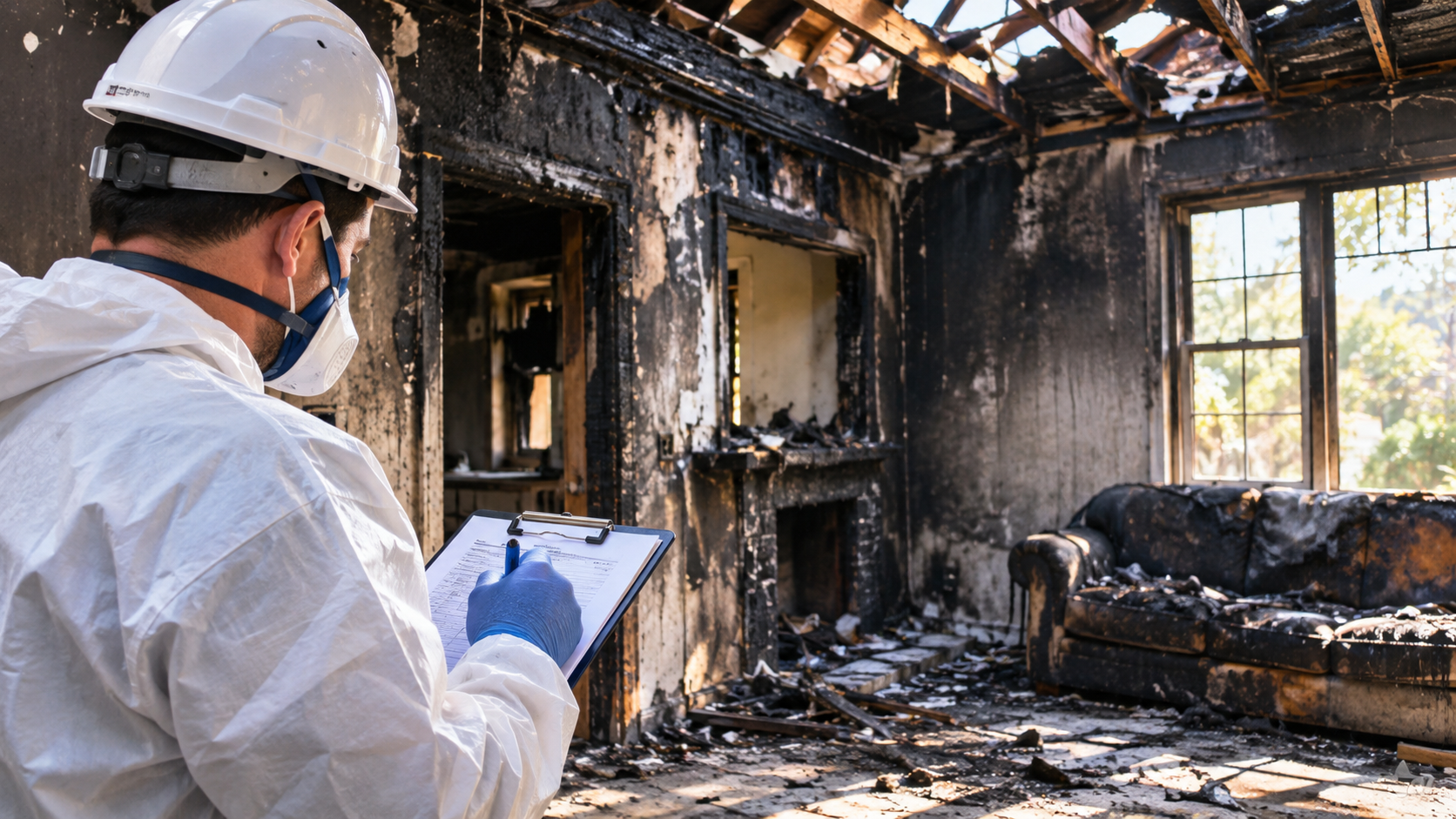
Mold removal focuses on physically eliminating mold from affected surfaces, while mold remediation involves identifying moisture problems, containing contamination, removing affected materials when necessary, and restoring acceptable indoor conditions.
Understanding this distinction is essential when deciding whether to clean a small affected area or hire a company specializing in professional mold remediation in Denver, CO.
This guide explains the differences between mold removal and mold remediation, how professional remediation works, when expert assistance is necessary, and how 4Pro Restoration Solutions can help Denver property owners address mold-related damage.
What Is Mold Removal?
Mold removal refers to the process of physically cleaning or removing visible mold growth from contaminated surfaces and materials.
A typical mold removal service may use cleaning methods, HEPA vacuuming, or material removal to address visible mold contamination. The appropriate technique depends on the surface, the extent of contamination, and whether the material can be effectively cleaned.
For example, mold growing on certain nonporous surfaces may be removable through appropriate cleaning. However, porous materials such as drywall, insulation, and carpeting may require disposal when significantly contaminated.
Can Mold Be Completely Removed From a Home?
Not entirely. Mold spores naturally exist in outdoor and indoor environments. Completely eliminating every mold spore from a building is neither practical nor necessary.
The goal is to eliminate problematic mold growth, address contaminated materials, and control the moisture conditions that allow mold to multiply.
A significant limitation of surface-only mold removal is that it may not address the underlying moisture source.
If mold is cleaned from a basement wall without fixing the water leak or humidity problem responsible for its growth, the contamination may return.
What Is Mold Remediation?
Mold remediation is a comprehensive process designed to address mold contamination and the environmental conditions contributing to its development.
Unlike basic surface cleaning, professional remediation considers the affected building materials, moisture sources, contamination pathways, and potential spread of mold spores during cleanup.
Professional mold remediation may involve:
- Inspecting visible mold and identifying moisture sources.
- Evaluating the extent of affected materials.
- Establishing containment to reduce cross-contamination.
- Using appropriate HEPA filtration and cleaning methods.
- Removing contaminated porous materials when necessary.
- Drying affected areas and correcting moisture conditions.
- Verifying that cleanup goals have been achieved.
For Denver homeowners, professional remediation can be particularly important when mold develops following burst pipes, flooding, roof leaks, or prolonged water damage.
A qualified remediation team addresses more than the visible discoloration. It evaluates the conditions that caused the problem and helps reduce the likelihood of recurring growth.
Mold Remediation vs. Mold Removal: Key Differences
Although the terms are frequently used interchangeably, they describe different scopes of work. In practice, professional mold remediation includes mold removal as one of its essential steps.
| Factor | Mold Removal | Mold Remediation |
|---|---|---|
| Primary goal | Remove visible mold | Address contamination and its causes |
| Scope | Often limited to affected surfaces | May include inspection, containment, cleaning, drying, and verification |
| Moisture control | Not always included | Essential component |
| Hidden mold | May remain undetected | Investigated when evidence suggests hidden contamination |
| Containment | Depends on the job | Used when necessary to limit spread |
| Prevention | Limited without moisture correction | Helps reduce recurrence by addressing moisture |
| Best suited for | Small, isolated surface contamination | Extensive, recurring, hidden, or water-damage-related mold |
According to the U.S. Environmental Protection Agency, successful mold cleanup requires both removing contamination and correcting moisture problems. Simply killing mold with chemicals is not sufficient because dead mold can still trigger allergic reactions.
Why Is Professional Mold Remediation Important in Denver, CO?
Denver is known for its relatively dry climate, but that does not mean homes are immune to mold.
Mold requires moisture to grow, and indoor water damage can create favorable conditions regardless of outdoor humidity levels.
1. Frozen and Burst Pipes During Winter
Colorado's cold winters can cause unprotected plumbing to freeze. When pipes burst, water may spread behind walls, beneath flooring, and into insulation.
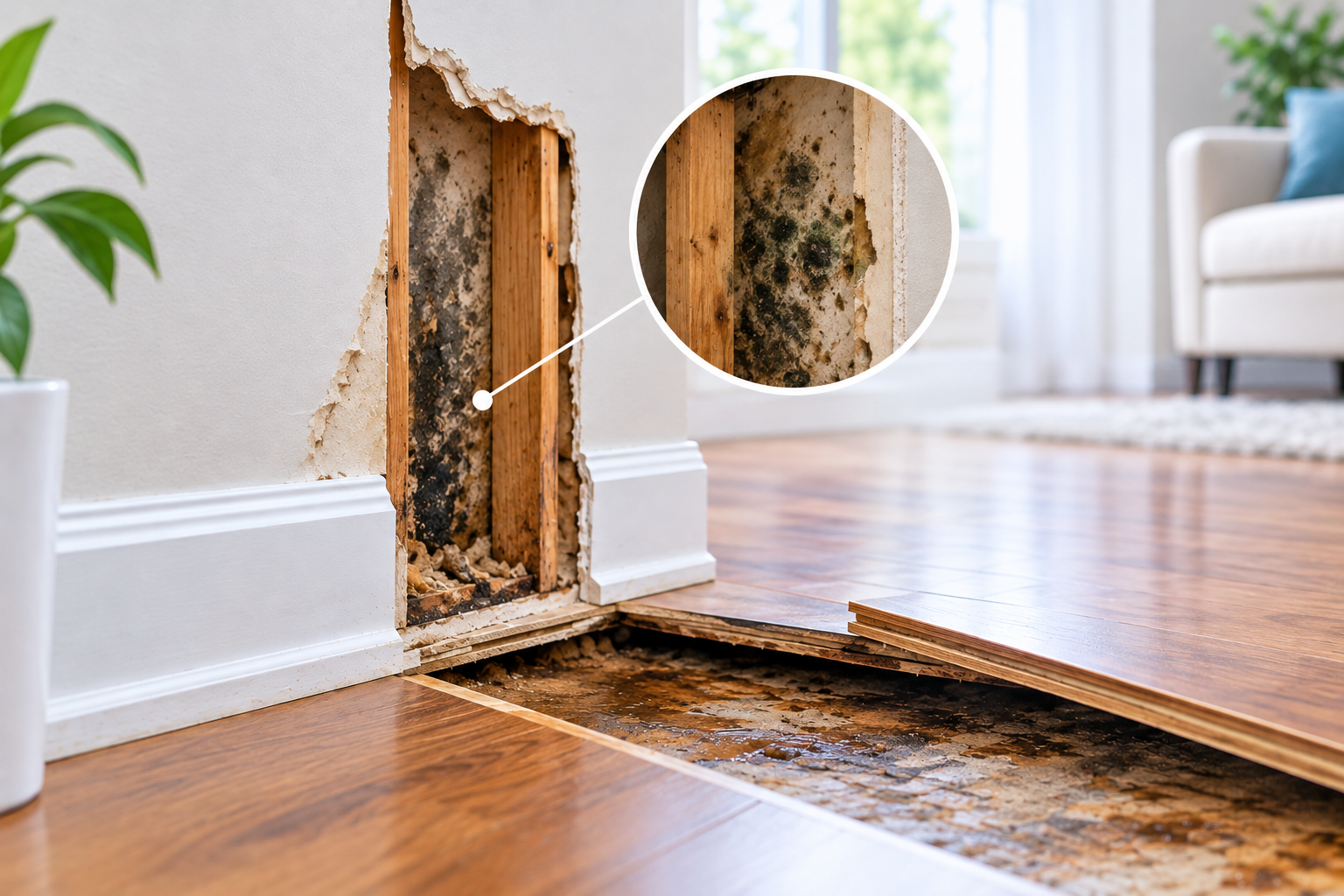
Even after standing water is removed, moisture trapped inside building materials can support mold growth.
2. Basement Flooding and Water Intrusion
Basements can experience moisture problems from plumbing failures, drainage issues, foundation seepage, and snowmelt.
If these conditions are not addressed promptly, mold may develop on drywall, wooden framing, carpeting, and stored belongings.
3. Roof Leaks and Storm Damage
Damaged roofing materials, flashing, or drainage systems can allow water to enter attics and ceiling cavities.
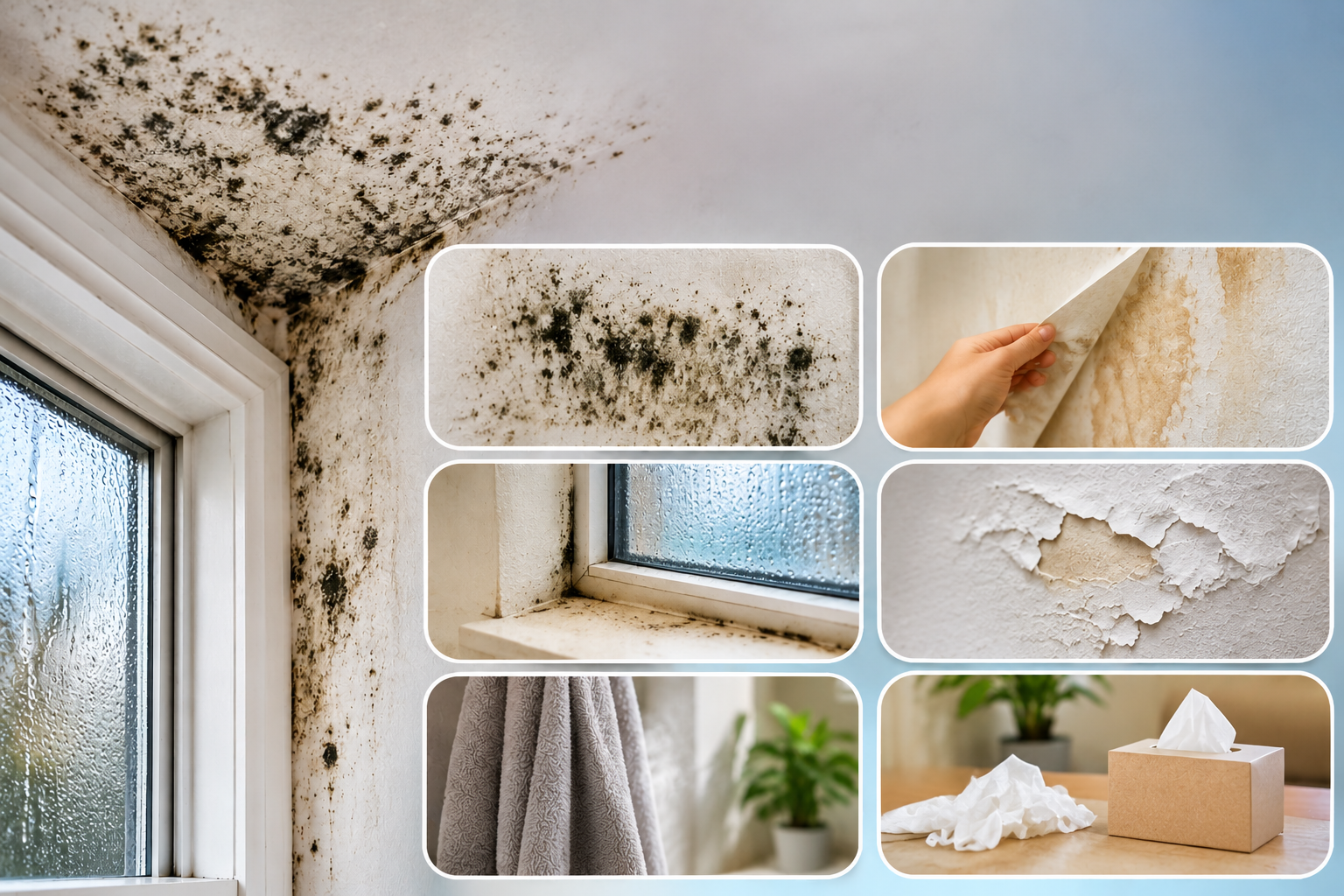
Because these areas are not always visible, mold growth may remain unnoticed until stains, odors, or structural deterioration appear.
4. Poor Ventilation and Indoor Humidity
Bathrooms, laundry rooms, kitchens, and poorly ventilated spaces can accumulate moisture.
Condensation on windows, cold walls, or other surfaces can also create localized damp conditions.
For these reasons, homeowners experiencing recurring moisture problems should consider professional mold remediation rather than relying exclusively on surface cleaning.
How Quickly Can Mold Grow After Water Damage?
Mold can begin growing on damp materials within approximately 24–48 hours under favorable conditions, although the actual timing varies with temperature, material, moisture, and existing spores.
The EPA recommends drying water-damaged areas and belongings within 24–48 hours to help prevent mold growth.
This is particularly important following basement flooding, appliance leaks, or broken pipes.
A professional water restoration company can help remove standing water, dry affected materials, and assess moisture conditions before mold contamination becomes more extensive.
However, if mold is already present, additional remediation procedures may be necessary.
What Happens During Professional Mold Remediation?
Professional mold remediation generally follows a structured process. The exact methods depend on the size of the affected area, the type of building materials, and the
severity of the moisture problem.
Step 1: Inspection and Moisture Assessment
Technicians inspect affected areas, identify visible mold, and investigate moisture sources. Moisture meters and other assessment tools may help locate damp building materials.
Step 2: Containment of Affected Areas
Where necessary, workers establish containment using plastic barriers and negative air pressure to help prevent contamination from spreading into unaffected rooms.
Step 3: Air Filtration and Mold Removal
Appropriate HEPA-filtered equipment may be used to control airborne particles. Technicians clean salvageable surfaces and remove contaminated materials that cannot be adequately restored.
Step 4: Drying and Moisture Correction
Dehumidifiers, air movers, and other drying equipment may be used when appropriate. The underlying leak, drainage issue, or humidity problem must also be corrected.
Step 5: Post-Remediation Evaluation
The affected area is evaluated to confirm that visible mold has been addressed and moisture conditions are controlled. Independent verification or testing may be appropriate depending on the project.
These general steps are consistent with EPA remediation guidance, which emphasizes moisture correction, appropriate containment, safe material handling, and cleanup verification.
When Should You Hire a Professional Mold Removal Service?
Not every mold problem requires a large-scale remediation project. However, professional assistance is recommended when contamination is extensive, recurring, or associated with significant water damage.
The EPA indicates that homeowners may be able to handle small mold-affected areas of less than approximately 10 square feet in many circumstances. Larger areas or complicated water damage situations generally warrant professional evaluation.
Consider contacting a professional if:
- Mold covers more than approximately 10 square feet.
- Mold repeatedly returns after cleaning.
- You notice persistent musty odors without an obvious source.
- Mold appears after basement flooding or extensive water damage.
- Contamination may be hidden behind walls or beneath flooring.
- Sewage or contaminated water is involved.
- Your HVAC system may be contaminated.
People with asthma, chronic respiratory conditions, or weakened immune systems should avoid exposure to mold-contaminated environments and seek appropriate
professional advice.
Can You Remove Mold Yourself?
Small amounts of mold on accessible, hard surfaces may sometimes be cleaned safely by homeowners, provided there is no significant water damage or other complicating factor.
For minor cleanup, follow these precautions:
- Identify and correct the source of moisture.
- Wear appropriate protective equipment, including an N95 respirator, gloves, and eye protection.
- Clean suitable hard surfaces using detergent and water.
- Dry the area thoroughly.
- Monitor the location for recurring moisture or mold.
Avoid painting over mold, disturbing extensive contamination without containment, or mixing bleach with other cleaning chemicals.
For larger or hidden mold problems, professional assistance is the safer approach.
How Can a Water Restoration Company Help Prevent Mold?
Water damage restoration and mold remediation are closely connected.
When a pipe bursts or a basement floods, removing visible water is only the beginning. Moisture can remain trapped inside walls, subfloors, insulation, and other building materials.
A professional water restoration company can help by extracting water, identifying affected areas, implementing structural drying, and monitoring moisture levels.
Prompt intervention can significantly reduce the risk of mold developing after water damage.
For Denver property owners, choosing a restoration provider capable of evaluating both water damage and potential mold contamination can help coordinate the recovery process.
How to Prevent Mold Growth in Your Denver Home
Preventing mold requires ongoing moisture management.
The following measures can reduce the likelihood of indoor mold problems:
- Repair leaking pipes, roofing, and plumbing fixtures promptly.
- Dry water-damaged areas within 24–48 hours whenever possible.
- Keep indoor relative humidity below 50%.
- Use exhaust fans in bathrooms, kitchens, and laundry areas.
- Inspect basements, crawl spaces, and attics for moisture.
- Insulate vulnerable pipes to reduce freezing risks.
- Maintain gutters and drainage systems to direct water away from the foundation.
- Address recurring condensation and musty odors promptly.
The CDC recommends maintaining indoor humidity at no higher than 50% and repairing leaks to help prevent mold growth.
4Pro Restoration Solutions: Your Local Restoration Partner in Denver, CO
When mold develops after water damage, choosing an experienced restoration company can make an important difference in how the problem is addressed.
4Pro Restoration Solutions serves the Denver, Colorado, area, helping property owners address water-related damage and restoration needs.
For homeowners dealing with mold concerns, it is important to understand that visible mold may be only one part of a larger moisture problem. Water trapped beneath flooring, inside walls, or behind cabinets can continue to create conditions favorable to mold growth.
4Pro Restoration Solutions offers property restoration services, including water damage restoration and mold remediation.
Whether you're dealing with a plumbing leak, basement flooding, or suspected mold contamination, contacting a restoration professional can help you determine the appropriate next steps.
If you're searching for professional mold remediation in Denver, CO, visit 4Pro Restoration Solutions to learn more about its restoration services and request assistance.
Frequently Asked Questions About Mold Remediation and Mold Removal
What is the main difference between mold remediation and mold removal?
Mold removal focuses on physically removing mold from contaminated surfaces or materials. Mold remediation is a broader process that also addresses moisture sources, containment, cleanup, and verification to reduce the risk of recurring mold growth.
Is mold remediation better than mold removal?
For extensive or recurring mold problems, professional mold remediation is generally the more comprehensive approach. Small, isolated mold problems may require only appropriate cleaning and moisture correction.
How much does professional mold remediation cost in Denver, CO?
Costs vary based on the affected area's size, accessibility, contamination severity, required containment, and whether damaged building materials must be removed or repaired. A site-specific inspection is the best way to obtain an accurate estimate.
How long does professional mold remediation take?
Smaller remediation projects may take one to several days, while extensive contamination involving structural drying, material removal, or reconstruction can require longer. The timeline depends on site conditions and the scope of work.
Can mold return after professional remediation?
Yes. Mold can return if moisture problems remain unresolved or new water intrusion occurs. Correcting leaks, improving ventilation, and controlling humidity are essential for preventing recurrence.
Does homeowners insurance cover mold remediation?
Coverage depends on the policy, the cause of the damage, and applicable exclusions or limits. Mold resulting from a sudden covered water-loss event may be treated differently from mold caused by long-term leaks or neglected maintenance. Review your policy and consult your insurer.
Can a water restoration company also provide mold remediation?
Yes. Some water restoration companies offer both water damage restoration and mold remediation. However, property owners should confirm the company's specific services, technician qualifications, and remediation procedures before hiring.
Is mold remediation necessary after every water leak?
No. If a leak is addressed promptly and affected materials are thoroughly dried before mold develops, remediation may not be necessary. However, persistent moisture, visible growth, or musty odors warrant further investigation.
Does black mold always require professional removal?
Mold should be evaluated based on the extent of contamination, affected materials, moisture conditions, and potential exposure—not color alone. Different molds can appear dark or black, and color does not reliably determine health risk.
How do I find a reliable mold remediation company in Denver?
Look for relevant remediation experience, documented procedures, appropriate insurance, references, and technicians trained in recognized industry practices such as ANSI/IICRC S520. Ask whether the company addresses moisture sources and provides post-remediation evaluation.