
Understanding What Happens After a House Fire
A Complete Step-by-Step Guide to Staying Safe, Handling Insurance Claims, Assessing Fire and Smoke Damage, and Restoring Your Home After a Fire.
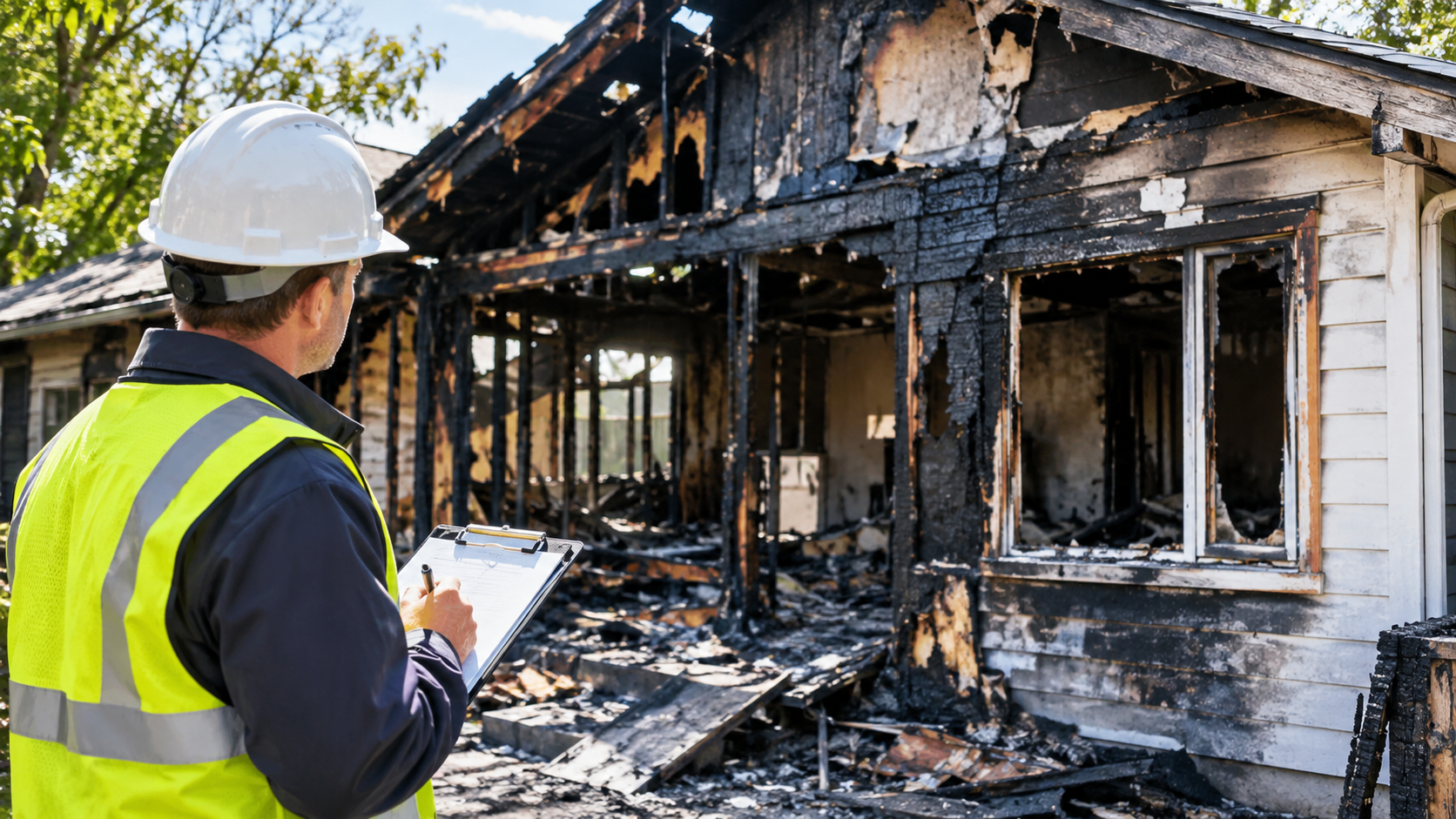
The aftermath of a house fire can be overwhelming. A house fire can dramatically alter your life in minutes. One minute your home is a familiar place with furniture, personal belongings, and family memories. The next minute you may be standing outside wondering what can be saved, if your home is safe, and how much repairs will cost. Knowing what to do after a house fire can help you make informed decisions, avoid additional hazards, and begin the recovery process with greater confidence.
Even after firefighters extinguish the flames, damage can continue to occur to your property. Smoke can travel through ventilation systems, soot can settle on walls and furniture, and water used during firefighting can soak into flooring, insulation, and structural materials. Some problems are immediately visible, while others are hidden behind walls, above ceilings, or beneath flooring. This is why fire damage restoration involves much more than simply removing burned materials and repainting affected rooms.
According to the American Red Cross, the organization responds to more than 60,000 disasters annually; most of these disasters are home fires. This demonstrates how frequently residential fires disrupt households and why practical recovery guidance is important. The U.S. Fire Administration also provides dedicated resources for immediate recovery, insurance, replacing important documents, and restoring damaged property.
The good news is that recovery becomes more manageable when you take the right approach. Your first priority should always be protecting yourself and your family. Your second priority should be contacting your insurance company. Your third priority should be documenting losses. Your fourth priority should be securing the property. Your fifth priority should be arranging professional assessments. You do not need to resolve every issue in one day. This house fire recovery checklist outlines the essential steps and will help you understand what to expect as you work toward making your home safe and livable again.
Immediate Steps After a House Fire
The first few hours after a residential fire can be overwhelming. You may be concerned about injured family members, missing pets, damaged belongings, or where you will sleep that night. It is natural to want to enter the home to inspect the damage; however, rushing into a fire-damaged building can expose you to unstable structures, electrical hazards, toxic residues, and other dangerous conditions.
The best approach is to focus on immediate safety and essential communication before beginning any cleanup or restoration work. Once emergency responders have secured the scene, you can begin coordinating with your insurance company, arranging temporary accommodations, and protecting the property from further damage. Early actions such as these can also help preserve evidence and records that may be needed for your insurance claim.
1. Ensure Everyone is Safe and Seek Medical Attention
Your family's safety is your number one priority. If the fire has just occurred, move everyone to a safe location away from the building and remain outside until emergency personnel give further instructions. Call 911 in the United States, or your local emergency number elsewhere, if emergency services have not already been contacted. Never enter the building to retrieve belongings, even if the flames appear to be extinguished.
Smoke inhalation is one of the most serious concerns following a house fire. A person may appear relatively uninjured but still experience difficulty breathing, dizziness, headaches, or other symptoms associated with exposure to smoke and combustion gases. If anyone is experiencing difficulty breathing, chest pain, confusion, fainting, or significant burns, seek immediate medical attention. Individuals who are suspected of having experienced smoke inhalation should be evaluated by medical professionals, especially if they were trapped in an enclosed or smoke-filled area.
Remember that children, elderly adults, individuals with respiratory conditions, and pets may require additional assistance. Keep pets away from damaged areas and arrange veterinary care if they appear injured or have been exposed to heavy smoke. Once everyone is accounted for, contact a trusted family member or friend to let them know you are safe. Having someone assist you with transportation, medication, childcare, or temporary shelter can make the next several hours easier to manage.
The American Red Cross emphasizes immediate medical care, communication with loved ones, and avoiding unsafe reentry as essential priorities after a home fire.
2. Wait for Fire Department Clearance Before Reentering
After the fire is extinguished, you may wish to walk through your property to see what remains. However, never enter a fire-damaged home until fire officials confirm that entry is permitted. Even a room that looks relatively undamaged may contain weakened structural components, dangerous electrical wiring, damaged gas connections, or unstable flooring. Fire can damage building materials in ways that are not immediately obvious.
Before entering, ask the fire department whether the property has been cleared for limited access and whether additional inspections are required. Permission to retrieve essential belongings does not necessarily mean the home is safe to occupy. If the building has sustained significant structural damage, a qualified structural engineer or building inspector may need to assess its condition before anyone can safely move through affected areas.
You should also pay attention to exterior warning signs. Cracks in the foundation, damaged roof supports, leaning walls, sagging ceilings, and exposed electrical lines may indicate serious hazards. If you smell gas or hear a hissing sound, move away immediately and contact emergency services or the gas utility from a safe location. Do not attempt to reconnect electricity, gas, or other utilities without appropriate professional authorization.
The American Red Cross specifically advises homeowners to respect restricted areas, warning tape, and building inspection notices. FEMA similarly recommends checking for structural damage and damaged utilities before entering a fire-affected property.
3. Contact Your Insurance Company
Once everyone is safe, contact your homeowners insurance provider as soon as reasonably possible. Reporting the incident promptly allows your insurer to explain the claims process, identify required documentation, and arrange an inspection when appropriate. Even if you are unsure about the full extent of the damage, it is better to notify your insurer early than to wait until every damaged item has been identified.
When you call, provide the date and location of the fire, a brief description of what happened, and any information provided by the responding fire department. Ask for your claim number, the name or contact details of your assigned adjuster, and instructions for documenting losses. You should also ask whether emergency services such as board-up work, temporary roof protection, or water extraction require advance authorization. Insurance policies vary; therefore, do not assume that every cleanup expense or repair will automatically be covered.
Many homeowners insurance policies include some combination of dwelling coverage, personal property coverage, and additional living expenses coverage. Depending on your policy and the circumstances of the fire, these provisions may help pay for covered structural repairs, damaged belongings, or temporary accommodations. Coverage limits, deductibles, exclusions, and reimbursement requirements can significantly affect the amount available for recovery.
Keep a record of every conversation with your insurance company including dates, names, and instructions. Do not discard damaged property or authorize extensive non-emergency demolition until you understand the documentation requirements. The U.S. Fire Administration recommends contacting your insurer promptly and asking what actions should be taken to protect the property and arrange cleanup.
4. Secure Your Property Against Further Damage
A house fire may leave your property vulnerable to weather exposure, unauthorized entry, theft, and additional deterioration. Broken windows, damaged doors, exposed roofing, and compromised exterior walls can allow rain, wind, and debris to enter. These problems can make an already difficult situation worse; especially when water reaches insulation, flooring, or electrical systems.
Once the fire department has released the property and access is safe, ask your insurance provider about emergency protection measures. A qualified contractor may need to board up damaged windows, install temporary roof coverings, secure entry points, or stabilize exposed areas. In some cases, emergency water removal may also be necessary to reduce moisture-related damage from firefighting operations.
Do not attempt to climb onto a damaged roof or secure unstable walls yourself. Fire-weakened materials can collapse unexpectedly; broken glass, exposed nails, and electrical hazards can create additional risks. Professional emergency contractors have the equipment and experience to evaluate these conditions and determine how to protect the building without creating unnecessary danger.
Before authorizing work, request a written explanation of the proposed services, estimated costs, and payment terms. Verify that the contractor is appropriately licensed where required and carries suitable insurance. Keep receipts and photographs of temporary repairs because these records may support your insurance claim. Securing your property early can help prevent avoidable losses while you prepare for the larger fire and smoke damage restoration process.
5. Arrange Temporary Housing and Essential Supplies
If your home is unsafe to occupy, finding a temporary place to stay should be one of your next priorities. Depending on the damage, you may need alternative accommodations for several nights, weeks, or even months. Staying with relatives or friends may provide an immediate solution; however, longer restoration projects often require more structured housing arrangements.
Ask your insurance provider whether your policy includes additional living expenses or loss-of-use coverage. Depending on the terms of your policy, this coverage may reimburse qualifying expenses that exceed your normal living costs while your home is uninhabitable due to a covered loss. These expenses can include temporary lodging and certain additional costs for meals, laundry, or transportation. However, coverage limits and approval procedures vary; therefore, keep receipts and confirm eligibility before making significant commitments.
You should also identify the essentials your household needs right away. Prescription medications, identification documents, clothing, toiletries, phones, chargers, school supplies, and pet necessities may need to be replaced or retrieved when authorities permit safe access. If important medications were exposed to fire, heat, smoke, or firefighting water, consult a pharmacist about obtaining safe replacements rather than using potentially compromised products.
For households needing immediate assistance, local disaster relief organizations may provide emergency shelter, food, clothing, or referrals to other services. In the United States, the American Red Cross offers disaster recovery support and can help affected residents identify available assistance.
Assessing and Documenting Fire Damage
After addressing immediate safety concerns, the next stage of recovery involves understanding how extensively the fire affected your home. This assessment is important for both insurance purposes and restoration planning. What appears to be a small kitchen fire, for example, may have caused smoke damage in adjoining rooms; soot accumulation inside ventilation systems; and water damage beneath cabinets or flooring.
A thorough damage assessment helps distinguish between materials that can be professionally cleaned; components that require repair; and items that must be replaced. It also creates a clearer picture of the work required to return your property to a safe condition. Remember that an initial visual inspection is not a substitute for a professional structural, electrical, or environmental assessment when hazards are suspected.
6. Photograph and Record All Property Damage
One of the most important steps after a house fire is creating a detailed record of the damage. Photographs, videos, written descriptions, and receipts can help support your insurance claim and provide a reference throughout the restoration process. Without proper documentation, it may become more difficult to establish the condition of your property immediately after the incident.
When authorities permit safe access, begin by taking wide-angle photographs of affected rooms and exterior areas. These images help show the overall extent of the damage. Then capture closer views of damaged walls, ceilings, flooring, appliances, furniture, and personal belongings. Photograph smoke staining; soot deposits; broken windows; visible water damage; as well as areas directly affected by flames.
Create a written inventory of damaged belongings. Include the item's description; approximate age; original purchase price when known; estimated replacement cost; and supporting receipts or photographs if available. For major purchases; bank statements; email confirmations; product manuals; and online order histories may help establish ownership and value. Store digital copies of your records somewhere secure so they remain accessible if your computer or physical documents were damaged.
Do not throw away damaged items before your insurance adjuster has had an opportunity to review them or has authorized disposal. Exceptions may be necessary for immediate health or safety reasons; however, document the items first when it is safe to do so. You should also record cleanup expenses; emergency repairs; and communications with contractors.
A detailed inventory takes time; especially when an entire room has been destroyed. Work through the property systematically instead of trying to remember everything at once. The American Red Cross recommends photographing losses; retaining receipts; and keeping an inventory of damaged goods for insurance purposes.
7. Identify Fire, Smoke, Soot, and Water Damage
Not all fire-related damage looks the same. A house fire can create several overlapping problems; each requiring a different restoration approach. Understanding these damage categories helps property owners ask better questions; evaluate contractor recommendations; and recognize why some repairs take longer than expected.
Fire damage refers to deterioration caused directly by flames and intense heat. It may affect framing; drywall; roofing; flooring; windows; wiring; and personal belongings. Severe heat can weaken structural materials even when they have not completely burned. Materials that appear intact may still need further evaluation to determine whether they can safely remain in place.
Smoke damage occurs when combustion particles and gases spread throughout the property. Smoke can enter closets; cabinets; wall cavities; and heating or cooling systems. Its odor may remain long after visible debris has been removed; particularly when porous materials have absorbed smoke residues.
Soot damage involves fine particles produced during incomplete combustion. These deposits can stain walls; ceilings; fabrics; and other surfaces. Depending on the materials burned; soot may contain substances that require specialized cleaning methods and protective equipment. Incorrect cleaning techniques can spread contamination or drive residues deeper into porous surfaces.
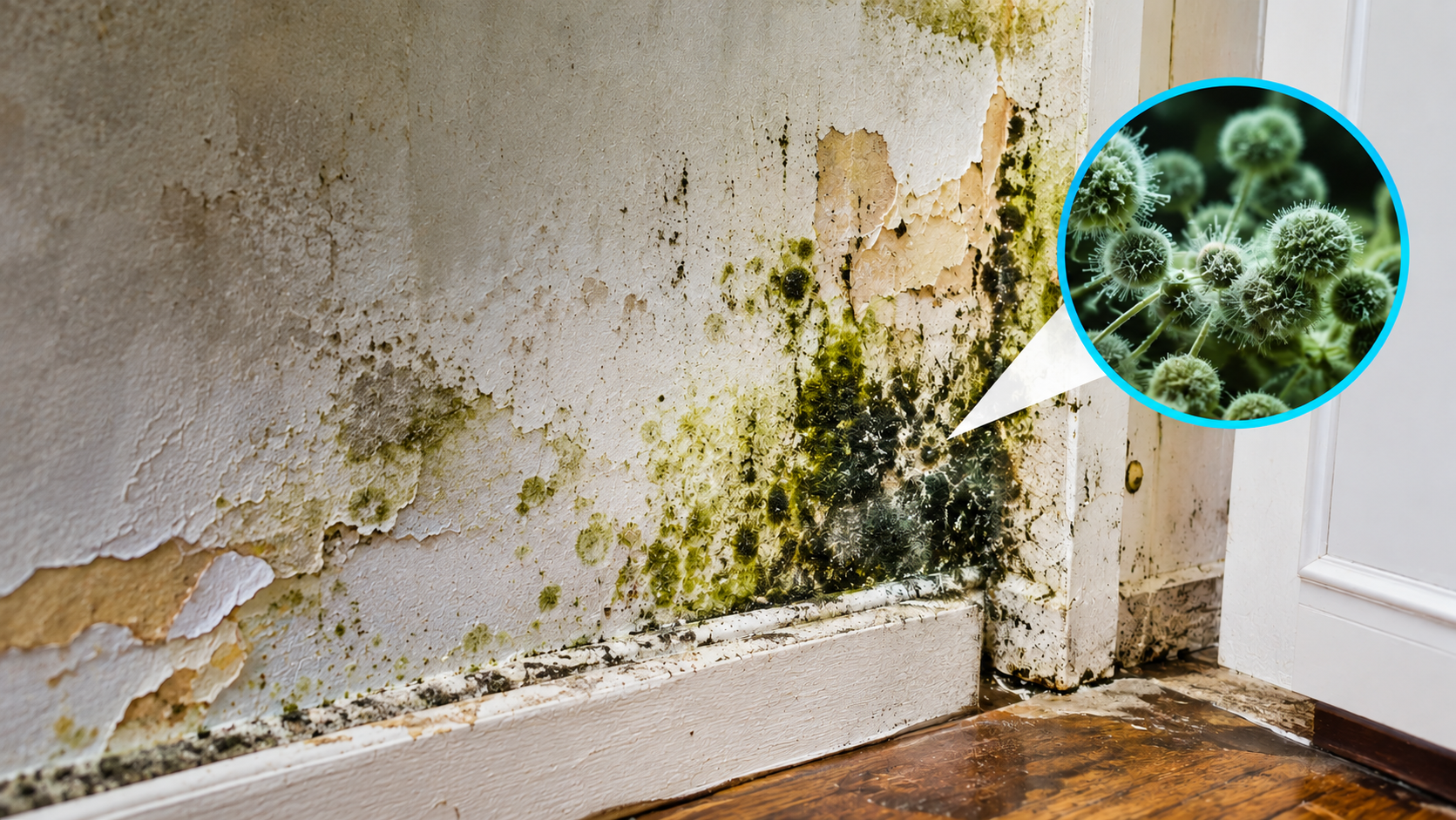
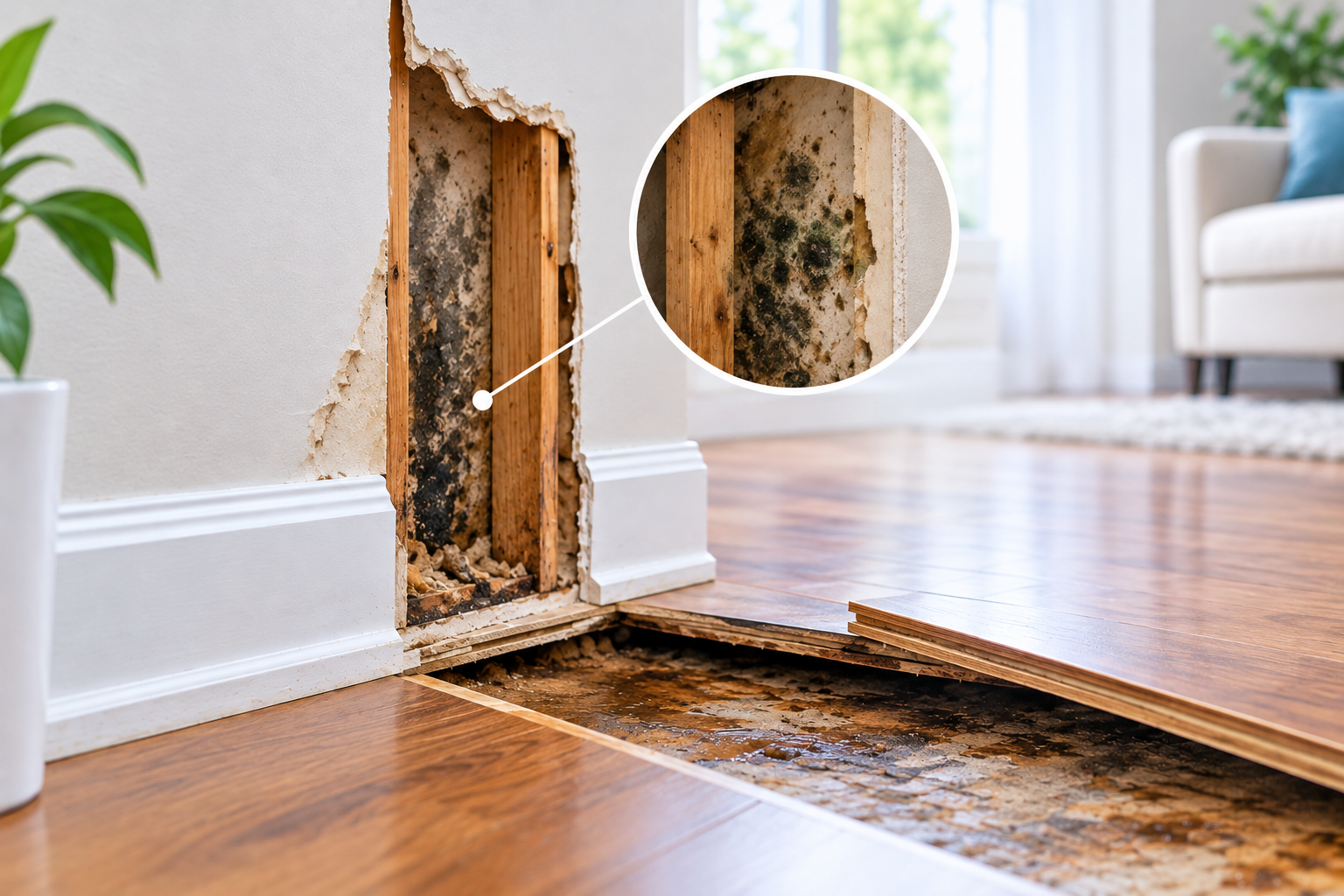
Water damage restoration is another common concern. Firefighters often use substantial amounts of water to control and extinguish a fire; and that water may collect beneath flooring or inside building cavities. If moisture remains trapped; materials can deteriorate and microbial growth may develop.
| Type of damage | Common signs | Typical professional response |
|---|---|---|
| Fire and heat damage | Charred materials, warped surfaces, damaged framing | Structural assessment, removal, repair or replacement |
| Smoke damage | Persistent odors, discoloration, residues in adjoining rooms | Smoke residue cleaning and odor treatment |
| Soot damage | Black or gray deposits on surfaces and contents | Specialized soot removal and content cleaning |
| Water damage | Wet insulation, damp flooring, swollen drywall | Water extraction, drying, moisture monitoring |
| Electrical damage | Burned wiring, melted outlets, damaged fixtures | Licensed electrical inspection and necessary repairs |
A professional fire damage restoration company can help determine how these different forms of damage interact. For example; a ceiling may require replacement not because flames reached it; but because firefighting water saturated the material and weakened its structural integrity. Similarly; furniture in an untouched bedroom may still need specialized cleaning because smoke circulated throughout the home.
The goal is not simply to remove what looks damaged. It is to identify conditions that could compromise the safety; cleanliness; or long-term performance of the property.
Starting the Fire Damage Restoration Process
Once your property has been documented and immediate hazards have been addressed; the focus shifts toward cleanup and repair. This stage may involve several specialists; including restoration technicians; structural contractors; electricians; plumbers; and insurance adjusters. The exact scope depends on the fire's intensity; the building materials involved; and how far smoke and water traveled.
Professional property restoration after a fire generally follows a coordinated sequence. Contractors first assess the damage and stabilize the building; then address water and debris; clean salvageable materials; treat odors; and complete approved repairs. Some stages can overlap; but starting reconstruction before the property is adequately cleaned and dried may create avoidable problems later.
8. Hire a Professional Fire Damage Restoration Company
Cleaning up after a house fire is not the same as ordinary household cleaning. Burned building materials; potentially hazardous soot; contaminated water; and unstable structures require careful evaluation. Although homeowners may be able to handle certain minor tasks after the property is declared safe; extensive damage generally requires professional assistance.
A qualified fire and smoke damage restoration company can assess affected areas; recommend emergency stabilization; develop a cleanup plan; and coordinate restoration work. Depending on the contractor's services and qualifications; this may include debris removal; water extraction; structural drying; smoke residue cleaning; odor treatment; and reconstruction.
When comparing restoration contractors; ask about their experience with residential fire losses; applicable licenses; insurance coverage; technician training; and documented restoration procedures. The Institute of Inspection Cleaning and Restoration Certification (IICRC) provides industry standards and certifications relevant to restoration work; but credentials should be evaluated alongside licensing requirements; references; and the company's actual capabilities.
You should also request a written estimate or scope of work that explains which areas require treatment and what materials may need replacement. Ask whether the contractor will coordinate directly with your insurance adjuster and how changes to the scope will be approved. A reputable contractor should explain the proposed work clearly rather than pressure you to sign an agreement immediately.
Be cautious of unsolicited contractors who arrive after a disaster and promise guaranteed insurance payouts or unusually fast repairs. Verify their business information; check references; and read all contracts before authorizing services. The lowest estimate is not always the best option if it excludes necessary cleaning; drying; or safety-related repairs.
For homeowners in the Denver area; professional fire damage restoration assistance from 4PRO Restoration may be one option to investigate when arranging an assessment and discussing recovery needs. Confirm service availability; qualifications; scope; and insurance procedures directly with the company.
9. Understand the Fire Damage Cleanup Process
The fire damage cleanup process varies depending on the condition of the property; but it generally begins with a detailed inspection and damage assessment. Restoration professionals evaluate visible fire damage; smoke contamination; moisture conditions; and structural concerns before developing a plan. This assessment helps determine which materials are salvageable and which require removal or replacement.
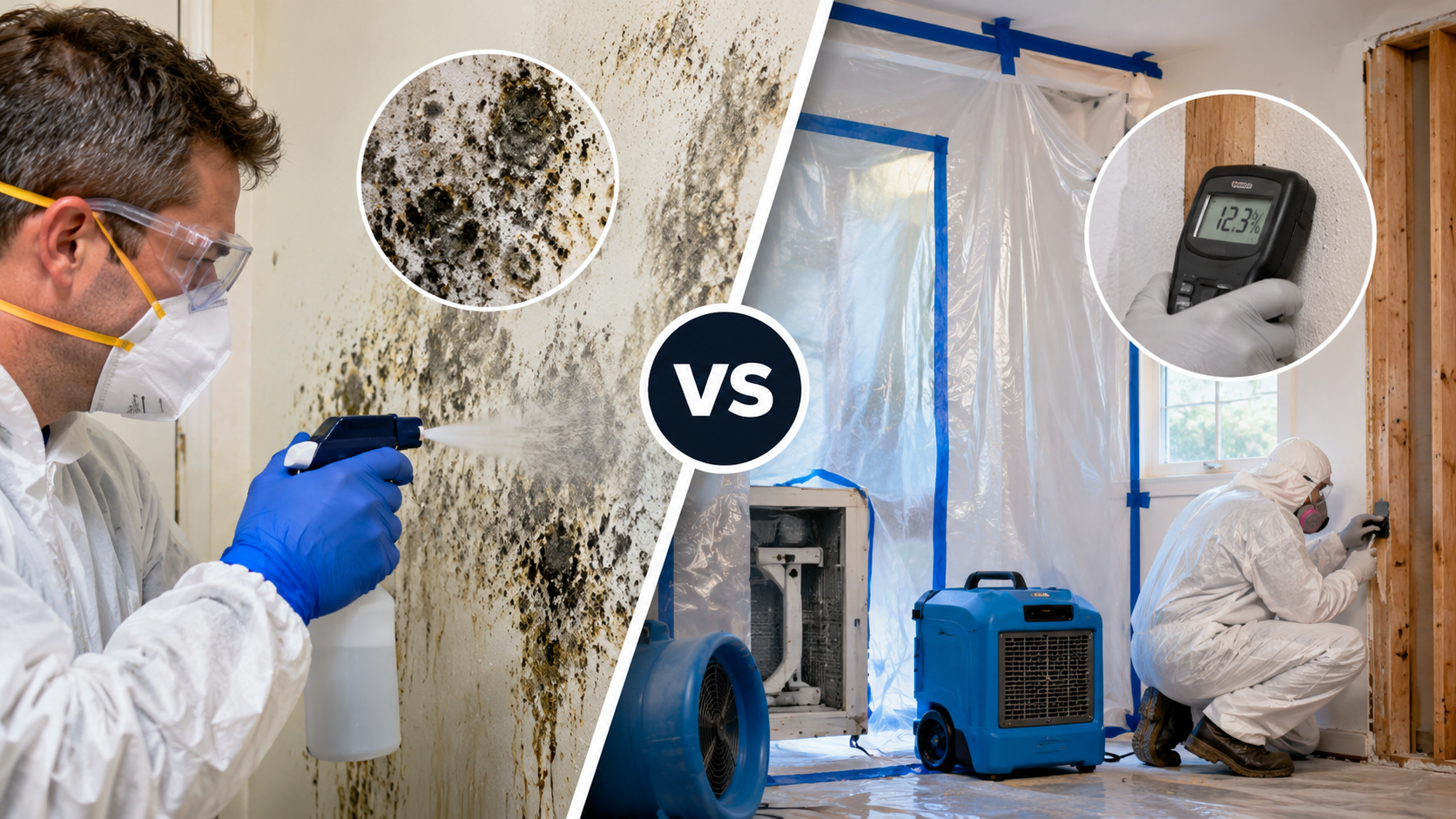
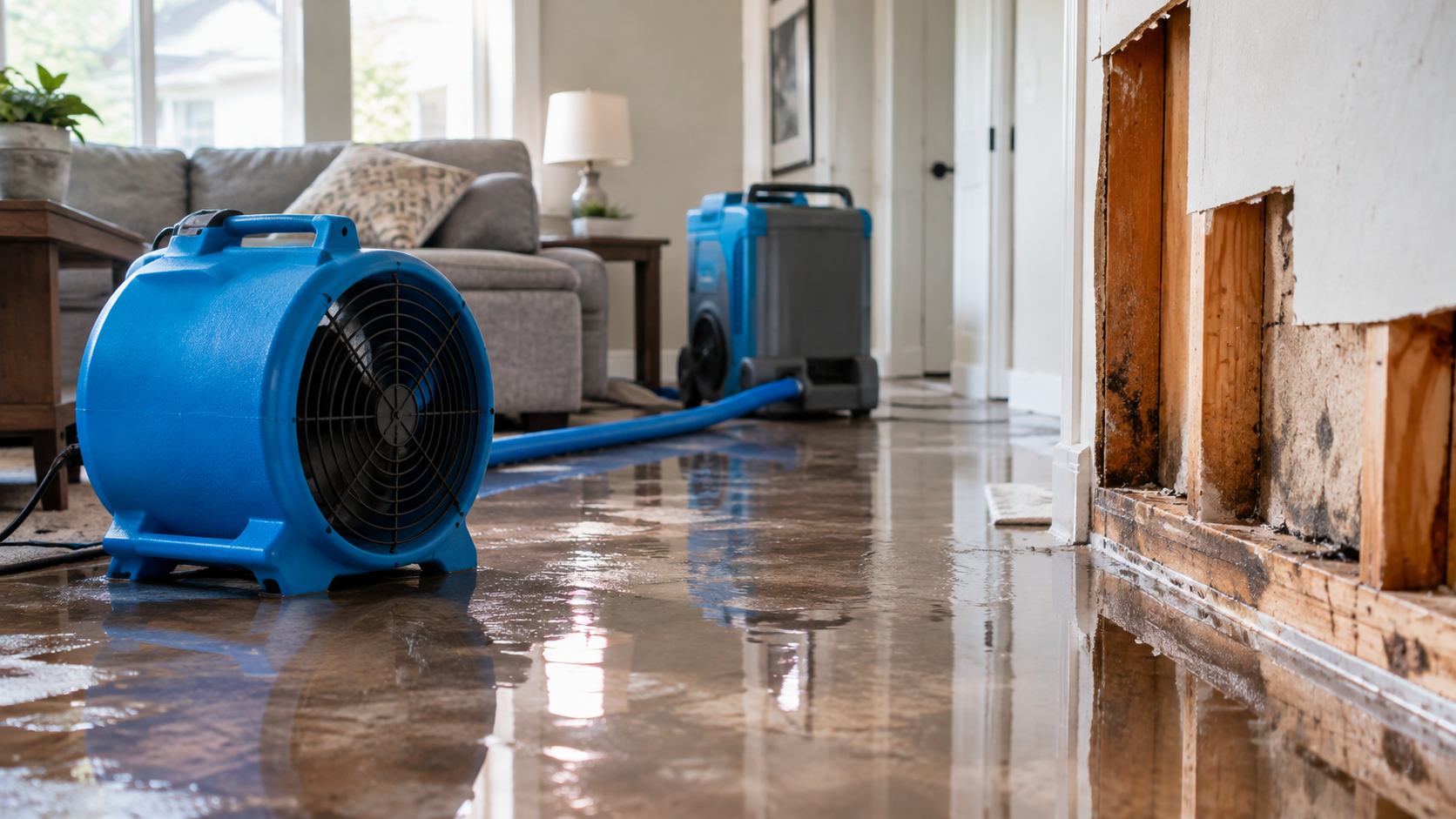
The first phase often involves securing the building and addressing immediate hazards. Damaged windows may need boarding; roof openings may require temporary coverings; and unsafe materials may need controlled removal. If firefighting water remains inside the property; technicians may use extraction equipment; air movers; dehumidifiers; and moisture-measuring instruments to dry affected materials. Drying should be monitored rather than judged only by whether surfaces feel dry to the touch.
After stabilization and water mitigation; restoration teams can begin cleaning fire and smoke residues. Different surfaces require different methods. Nonporous materials may respond to appropriate cleaning agents; while porous items such as upholstery; carpeting; and insulation can be more difficult to restore. Some possessions may be candidates for specialized off-site content cleaning; while others may be too damaged or contaminated to save.
Odor treatment is another important part of recovery. Simply spraying fragrance or repainting stained walls does not necessarily eliminate smoke contamination. Effective odor remediation usually depends on removing the source of contamination; cleaning affected surfaces; and applying suitable treatment methods. Any specialized deodorization technology should be used according to professional safety requirements.
Reconstruction generally follows once the property has been properly cleaned; dried; and evaluated. Depending on the loss; this may involve replacing drywall; insulation; flooring; cabinetry; electrical components; and structural materials. Final inspections and testing may be necessary before the home can be occupied again.
The restoration timeline can range from a relatively short project to several months or longer for major structural losses. Permit requirements; material availability; insurance decisions; and the extent of hidden damage can all affect the schedule.
10. Prevent Additional Damage During Recovery
Even after the initial cleanup begins; your property may remain vulnerable to secondary damage. Water trapped in building materials; unprotected openings; damaged plumbing; and exposure to changing weather conditions can complicate restoration. Taking preventive action during this period can help protect materials that might otherwise be salvageable.
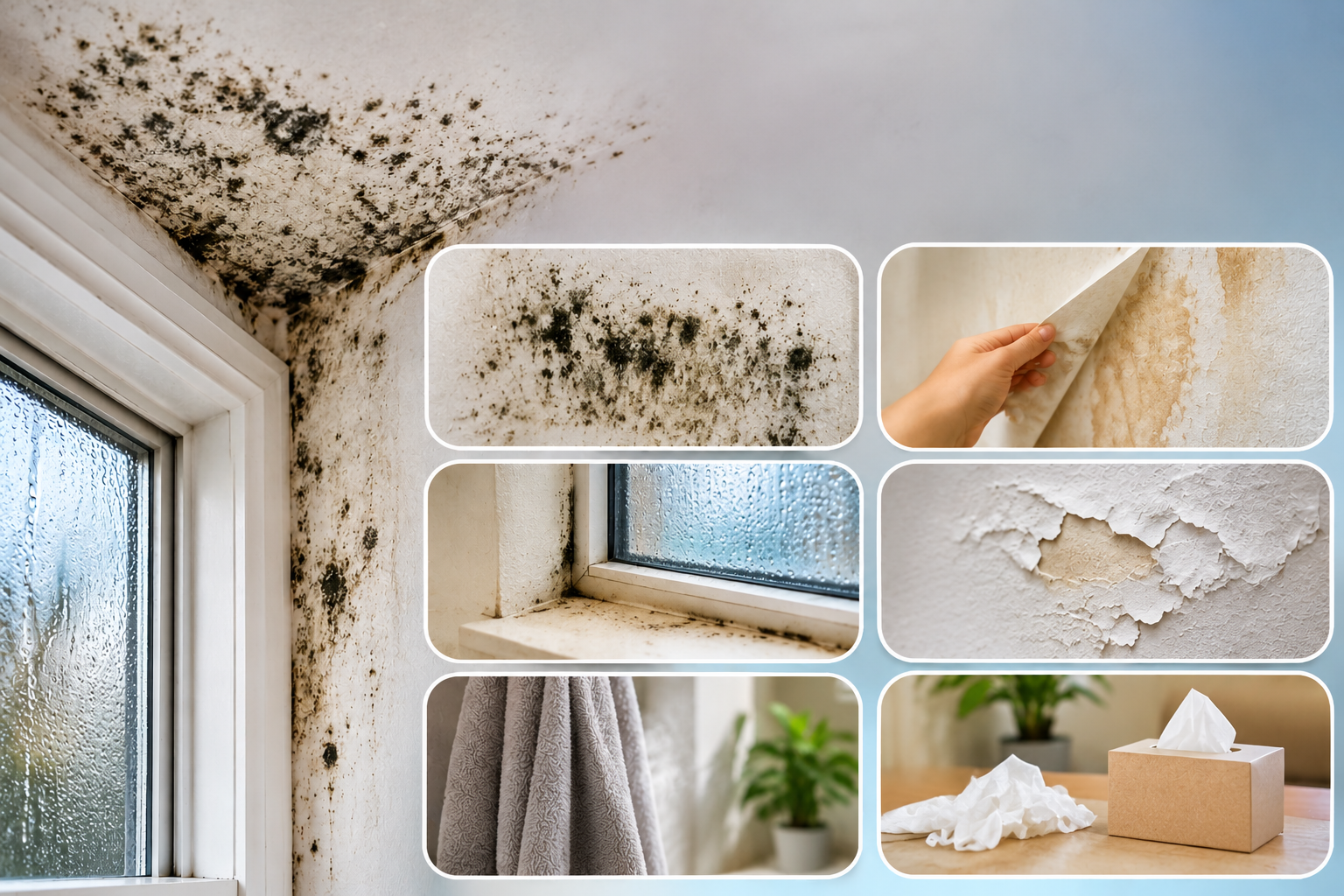
One of the most important concerns is moisture control. Water used to extinguish a fire can migrate into insulation; subfloors; and concealed cavities. When these areas are not properly dried; moisture may contribute to swelling; deterioration; corrosion; and mold growth. Restoration professionals may use moisture meters and other equipment to verify that affected materials are drying as expected.
Weather protection is also essential; especially if the roof; exterior siding; or windows were damaged. Temporary coverings should be installed safely and monitored until permanent repairs can be completed. If the property will remain vacant; coordinate security arrangements with your insurer and contractor to reduce the risk of unauthorized entry or further damage.
Avoid operating fire-exposed appliances or turning utilities back on before they have been inspected and cleared by qualified professionals. Electrical components can suffer damage from heat; smoke residues; and water exposure. Similarly; heating and cooling systems may need inspection and cleaning before operation because contaminated ductwork or equipment could distribute residues throughout the home.
If restoration work reveals suspicious materials; such as possible asbestos-containing products or lead-based paint in an older property; ask about appropriate testing and handling before demolition continues. These materials can require specialized procedures.
FEMA advises homeowners returning to fire-damaged properties to remain alert to weakened structures; utility hazards; and contamination. Its guidance also emphasizes checking conditions before restoring services or entering unsafe areas.
Managing Insurance Claims and Financial Recovery
Recovering from a house fire involves more than repairing the physical structure. Homeowners may face temporary housing expenses; replacement costs for essential belongings; insurance deductibles; and unexpected repair expenses. Managing these financial responsibilities carefully can make the restoration process more predictable and help prevent disputes or delays.
Your insurance policy is one of the most important documents during this stage. Review the declarations page; coverage limits; deductibles; and any applicable exclusions. Ask your adjuster how the insurer calculates repair costs; replacement costs; depreciation; and payments. Understanding these details early can help you evaluate estimates and plan for expenses that may not be covered.
11. Organize Documents, Expenses, and Repair Estimates
Keeping accurate financial records is an essential part of the homeowners insurance fire claim process. Every payment; estimate; receipt; and written communication can help explain the costs associated with your recovery. Instead of storing paperwork in different locations; create one organized folder; either digitally or physically; for all fire-related documents.
Your records should include your insurance policy; claim number; adjuster contact information; fire department incident information; property damage photographs; contractor estimates; receipts; and correspondence. You should also maintain an inventory of damaged personal property; including estimated values and supporting purchase records when available. If you need to replace essential belongings immediately; ask your insurer how those purchases should be documented and whether advance payments are available.
When reviewing repair estimates; compare the actual scope of work rather than looking only at the final price. One contractor may include structural drying; smoke cleaning; debris disposal; and necessary inspections; while another may exclude some of those services. Ask for clarification whenever an estimate contains vague descriptions or unexpected charges. Written change orders are particularly important if contractors discover hidden damage during restoration.
Insurance payments may also be issued in stages. Depending on your policy; mortgage arrangements; and claim circumstances; funds may be released after inspections or completion of certain work. If you disagree with a settlement estimate; request an explanation and provide additional supporting documentation. Your policy may describe options for resolving valuation disputes; including an appraisal process in some circumstances.
The U.S. Fire Administration recommends maintaining records of fire-related expenses and contacting relevant financial institutions; including mortgage companies; when necessary.
U.S. Fire Administration
Taking an organized approach does not eliminate every challenge; but it gives you a stronger foundation for tracking your claim and making informed financial decisions.
Preparing Your Home for Safe Reoccupation
Moving back into your home is often the milestone you have been waiting for since the fire occurred. However; the completion of visible repairs does not automatically mean the property is ready for occupancy. Fire damage can affect electrical systems; structural materials; ventilation equipment; and indoor environmental conditions; so the final stage should include appropriate verification.
Before moving back; ask your restoration contractor what inspections have been completed and whether any outstanding safety concerns remain. You should also confirm that required permits have been closed and that applicable building inspections have been approved. If your home sustained extensive damage; obtaining written confirmation of completed work can be valuable for insurance records and future property transactions.
12. Complete Safety Inspections & Prevent Future Fires
Prior to moving back into your newly restored home, ensure all major systems have been inspected by qualified experts. Your electrical wiring, outlets, switches, and panels could have been exposed to extreme temperatures or water even in areas where flames did not reach. Additionally, your gas lines, plumbing connections, heating systems, and ventilation equipment will need to be evaluated before being put back into use.
Verify that any structural components that were damaged during the fire have been repaired/replaced in accordance with local building codes. Ask the restoration company if they have verified the moisture levels in the home and cleaned up any smoke residue. If you continue to notice persistent odors, visible residues, unexplained dampness, etc., inform them before signing off on the job. A final walk-through allows you to document any uncompleted items and ask for corrections.
After verifying that your home is safe, consider making some changes to decrease the likelihood of having another fire. Install/replace smoke alarms as needed, test them periodically, and follow both the manufacturer's instructions and local codes. Create a family fire escape plan with at least two ways out of every room (where possible) and designate a safe meeting spot outside. Learn how to respond to kitchen fires, electrical hazards, and heating appliance issues.
You may also wish to consult with licensed professionals regarding potential electrical upgrades or other fire safety improvements, especially if your home has old wiring/outdated equipment. Keep portable heaters away from flammable materials, don't overload outlets, and ensure your fireplace/heating appliances receive proper maintenance.
Most importantly, view fire prevention as an ongoing household duty rather than a one-time event. Recovery provides homeowners with an opportunity to identify vulnerabilities that may have existed prior to the incident. By combining professional inspections, safe rebuilding practices, and daily fire prevention habits, you can return to a home that is not only restored but better prepared for the future.
Conclusion
Knowing what to do after a house fire can help make a difficult recovery process much easier. While the emotional and financial toll of a fire can be great, following a structured checklist helps you focus on the decisions that matter most. Start by ensuring everyone's safety, following fire department instructions, contacting your insurance provider, and finding temporary accommodations if needed.
After the immediate emergency has passed, document the damage, protect your property, and work with qualified professionals to determine the full extent of the loss. Remember that fire damage restoration involves more than just removing burned materials. Smoke, soot, firefighting water, and hidden structural damage may all need attention before your home is ready for repairs and reoccupation.
Take time to understand your insurance coverage, keep detailed records, and verify that all necessary inspections and repairs have been completed. Each property is different, and the restoration process should reflect the unique characteristics of your home.
With the right preparation, professional assistance, and a clear recovery plan, you can move from the immediate uncertainty of a house fire toward restoring your property and rebuilding your sense of security.
Frequently Asked Questions
1. What is the first thing you should do after a house fire?
The first thing you should do after a house fire is ensure everyone is safe and accounted for. Call emergency services if they have not already been contacted, and seek medical attention for anyone who may have suffered burns or smoke inhalation. Do not enter the building until the fire department confirms that entry is allowed. Once immediate safety concerns are taken care of, notify your insurance provider and arrange temporary accommodations if your home is unsafe to live in.
2. How long does it take to restore a house after a fire?
The length of time required to restore a house after a fire depends on the extent of the damage, the size of the property, and the repairs needed. Small fires and smoke damage can be repaired in days or weeks, while large structural losses can take several months or longer. Insurance approvals, inspections, permits, material availability, and hidden damage can also affect the timeline. A qualified restoration contractor can give you a more accurate timeline after performing an evaluation and determining the scope of work.
3. Can you live in your house after a small fire?
You may be able to live in your home after a small fire, but only if the relevant authorities have determined that it is safe and any necessary inspections have been done. Even a small fire can create smoke contamination, electrical damage, or hidden heat-related deterioration. The absence of visible flames does not mean that the building is safe to live in. If there are concerns about structural stability, utilities, air quality, or remaining contamination, arrange temporary accommodations until qualified professionals resolve those issues.
4. Does homeowners insurance cover fire damage restoration?
Many standard homeowners insurance policies provide coverage for fire-related damage, subject to policy terms, limits, deductibles, and exclusions. Depending on the circumstances, coverage may include structural repairs, replacement of damaged belongings, debris removal, and additional living expenses.
However, the amount paid and the types of services covered vary by insurer and policy. Contact your insurance provider as soon as possible, review your coverage documents, and get written authorization before authorizing major nonemergency restoration expenses.
5. Is professional fire damage restoration necessary after a house fire?
Professional fire damage restoration is highly recommended when a fire results in significant smoke contamination, soot deposits, water damage, or structural deterioration.
Restoration specialists can assess affected materials, recommend appropriate cleaning and drying methods, and assist in coordinating repairs. Small damage may not always require a full restoration project, but safety-related inspections should still be completed when necessary. Hiring qualified professionals can reduce the risk of overlooking damage and help ensure that the property is properly restored before normal occupancy resumes.
our insurance coverage, maintain detailed records, and verify that all required inspections and repairs have been completed. Every property is different, and the restoration process should reflect the specific conditions of your home.
With the right preparation, professional support, and a clear recovery plan, you can move from the immediate uncertainty of a house fire toward restoring your property and rebuilding your sense of security.